Buying your first place in Culver City can feel like aiming for a moving target. Prices are high, competition is still real, and the right choice is not just about how many bedrooms you can get. If you want to understand what a true starter home looks like here, and how to choose one that fits your budget and daily life, this guide will help you sort through the tradeoffs. Let’s dive in.
What a starter home means in Culver City
In many markets, a starter home might mean a small detached house. In Culver City, that is often not the case. Over the three months ending May 2026, the median sale price was $1,426,646, homes sold in an average of 39 days, and 51.5% sold above list price.
That market context matters because it changes your realistic entry point. For many first-time buyers, a condo is the most accessible option, a townhome is the middle ground, and a smaller detached home is the stretch choice. The best fit depends on your monthly budget, parking needs, and how much control you want over the property.
Why Culver City stays competitive
Culver City offers more than a central Westside location. The city reports an average Walk Score of 75, and local transportation planning continues to focus on walking, biking, transit, and access to the E Line and bus corridors.
That makes certain homes more appealing than others, even when they have similar square footage. A property that helps you rely less on a car, or makes your commute simpler, can have stronger day-to-day value and resale appeal. In a market like this, convenience often carries real weight.
Condos offer the lowest entry price
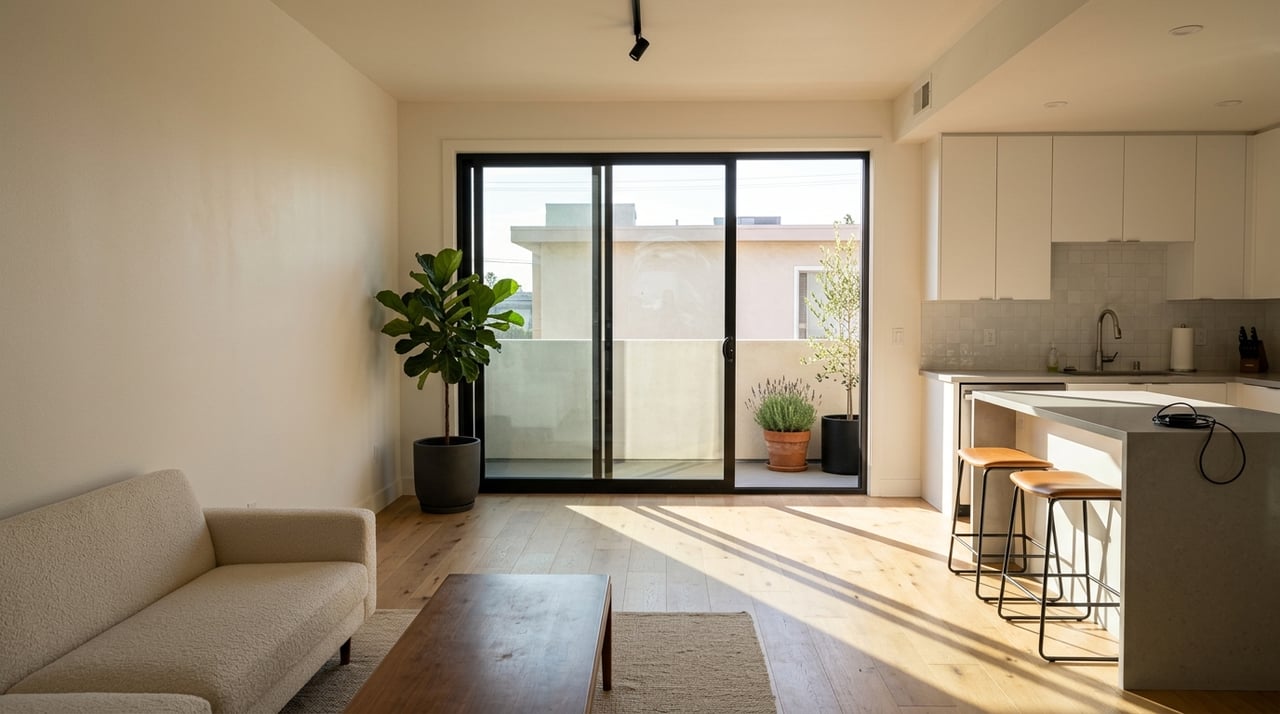
If you are trying to buy your first home in Culver City with the lowest upfront price, condos are usually the first category to study. Current condo inventory shows a median listing price around $599,000, with 67 condos for sale and a typical market time of 62 days.
The current range is broad. Active examples run from about $475,000 for a one-bedroom condo to roughly $1.049 million for larger three-bedroom units. Many two-bedroom condos cluster in the high-$500,000s to low-$700,000s, which makes this segment especially relevant for first-time buyers.
The real condo cost is monthly
A lower purchase price does not always mean a lower carrying cost. HOA dues can add a meaningful fixed monthly expense, and California HOA rules make it important to review the association’s budget, reserves, and any history of special assessments.
One Culver City condo example shows an HOA of about $350 per month. That may seem manageable at first glance, but weak reserves or deferred maintenance can create bigger costs later. Before you fall in love with a unit, make sure you understand the full monthly picture.
Parking can make or break a condo
Parking is one of the biggest lifestyle filters for condo buyers in Culver City. Some listings include assigned parking or even two-car parking, while others may leave you relying partly on street parking.
The city’s residential permit program allows up to 4 annual permits per household and 36 free one-day guest permits per quarter. Culver City also shortened street-sweeping parking restriction windows from 4 hours to 2 hours citywide. Those rules can make street parking more manageable, but they still affect your daily routine, especially if you have guests, share vehicles, or work irregular hours.
Townhomes balance space and convenience
If a condo feels too compact but a detached home feels out of reach, townhomes often hit the sweet spot. In Culver City, townhouses currently show a median listing price of $1.25 million, with 6 for sale and a typical market time of 81 days.
That pricing puts townhomes squarely in the middle of the starter-home ladder here. Recent examples range from about $1.075 million to $1.699 million, depending on size, layout, and location.
What townhomes often give you
Townhomes can feel more like a house without putting every maintenance task on your shoulders. Current listings highlight features like attached garages, rooftop decks, lofts, and larger interior layouts.
One local example advertises a $600 HOA, two garage spots, and a pool. That combination helps explain why townhomes appeal to buyers who want more privacy and room than a condo, while still keeping some exterior upkeep shared.
Townhomes still require HOA review
Even with a more house-like feel, townhomes still come with HOA structure and rules. You should review the same core documents you would for a condo, including CC&Rs, the operating budget, reserve funding, and any special-assessment history.
This matters because modest monthly dues do not always tell the full story. If an association has deferred maintenance, future costs can show up later. A strong layout is great, but HOA health and parking still matter just as much.
Smaller houses offer the most control
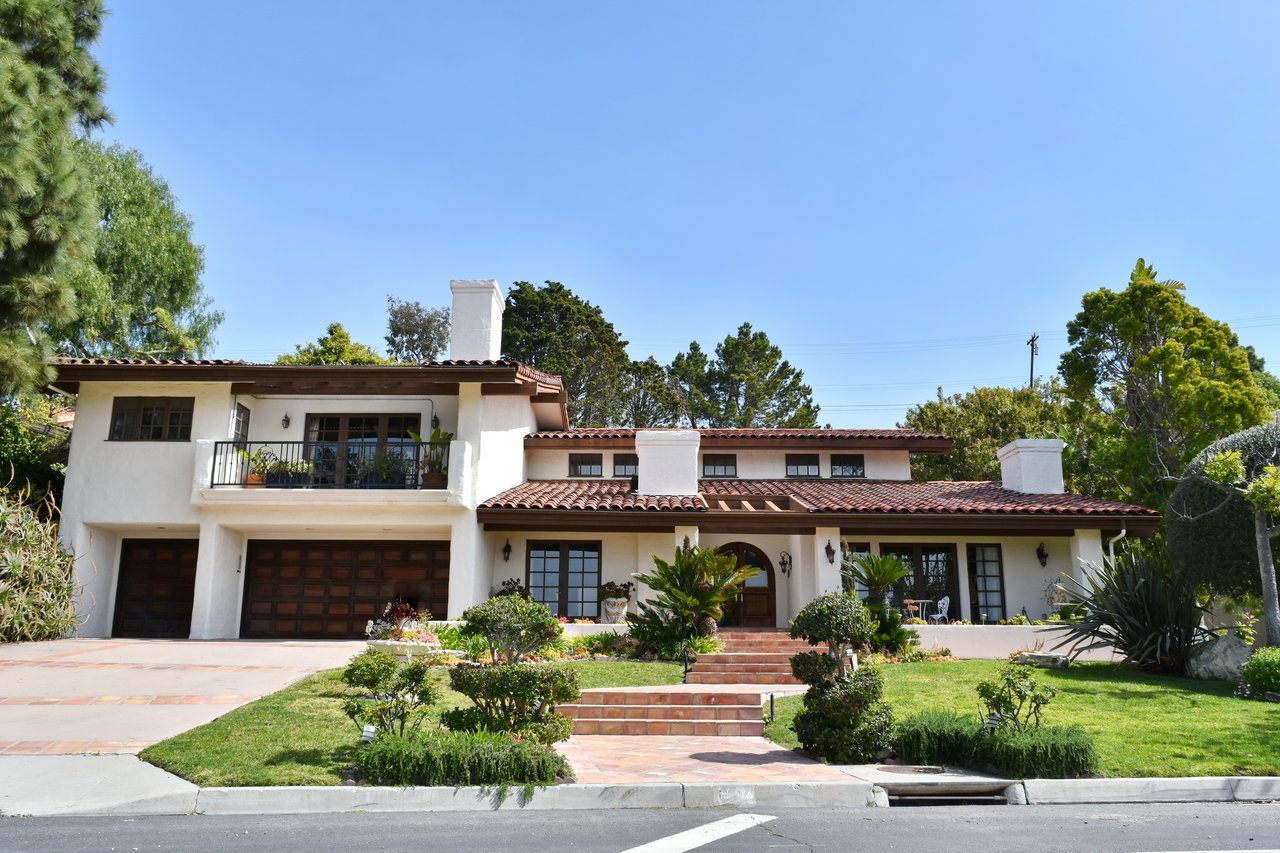
For many buyers, the dream is still a detached home. In Culver City, you can find smaller single-family homes, but the price jump is significant and inventory can be limited.
The citywide median sale price reached $1.426 million in May 2026. Redfin’s single-story home page shows a $1.02 million median listing price for single-story homes, while recent detached-home examples include a $1.3 million three-bedroom home on Venice Boulevard and a $1.499 million three-bedroom home on Globe Avenue.
Why buyers stretch for a house
Detached homes usually offer the most control. You are less likely to deal with HOA rules, and you may get more private parking, yard space, and flexibility for future changes.
Some recent examples show why this category is appealing. One sold home on Center Street had a detached two-car garage and was described as having room for a future ADU, while another on Emporia Avenue featured an attached garage, an EV outlet, and flexible space that could work as a workshop, gym, or future ADU area.
The tradeoff is price and upkeep
More control comes with more responsibility. Without an HOA handling shared systems or exterior maintenance, you will likely take on more repair, insurance, and upgrade decisions yourself.
That can be worth it if autonomy is your top priority. Still, in Culver City, the higher purchase price means you should be clear about whether you want freedom most, or whether a condo or townhome would give you a better overall financial fit.
Neighborhood fit matters as much as price
Not every starter home in Culver City lives the same way. Your experience will depend not only on the property type, but also on where it sits within the city and how easily it connects to your daily routine.
Fox Hills is especially relevant for condo and townhome buyers. The city’s Fox Hills Specific Plan is aimed at creating a more walkable, mixed-use neighborhood with transit access. Downtown Culver City also stands out for buyers who want restaurants, retail, and stronger transit connections, including access to the E Line and bus systems.
What to compare before you buy
When you narrow down starter-home options in Culver City, it helps to compare them beyond price and bedroom count. A home that looks affordable on paper may feel expensive once you factor in HOA dues, parking limitations, or future maintenance.
Use this checklist as you evaluate each option:
- HOA dues
- Reserve funding
- Special-assessment history
- Assigned parking
- Guest parking
- Pet rules
- Rental restrictions
- Ease of living car-light
- Commute access
- Overall monthly payment
These details shape both your lifestyle and your resale position. In Culver City, they are not side notes. They are often the difference between a smart starter home and an expensive compromise.
How to choose the right starting point
If your top goal is the lowest entry price, a condo may be your best path. If you want a stronger balance of space, parking, and convenience, a townhome may give you the best mix. If long-term control matters most and your budget allows it, a smaller detached home may be worth the stretch.
The key is to buy for the life you actually plan to live over the next few years. In Culver City, the right starter home is not just the cheapest one you can win. It is the one that fits your budget, supports your routine, and gives you a reasonable path forward.
If you want help comparing Culver City condos, townhomes, or smaller houses with a clear local strategy, Danny Mishevski can help you evaluate your options with practical, Westside-focused guidance.
FAQs
What is the most affordable starter home type in Culver City?
- For most first-time buyers in Culver City, condos are the most accessible entry point, with current median listing prices around $599,000.
How competitive is the Culver City housing market for first-time buyers?
- Over the three months ending May 2026, the median sale price was $1,426,646, homes sold in 39 days on average, and 51.5% sold above list price.
What should buyers review before purchasing a Culver City condo or townhome?
- You should review HOA dues, CC&Rs, reserve funding, the association budget, special-assessment history, parking allocation, guest parking, pet rules, and rental restrictions.
Why is parking such a big issue for Culver City starter homes?
- Parking can strongly affect daily convenience, especially for condos and townhomes, because some homes rely partly on street parking and city permit rules shape how that works.
Which Culver City areas are worth watching for starter-home buyers?
- Fox Hills and Downtown Culver City are especially notable for buyers who value walkability, mixed-use amenities, and access to transit, including the E Line and bus connections.