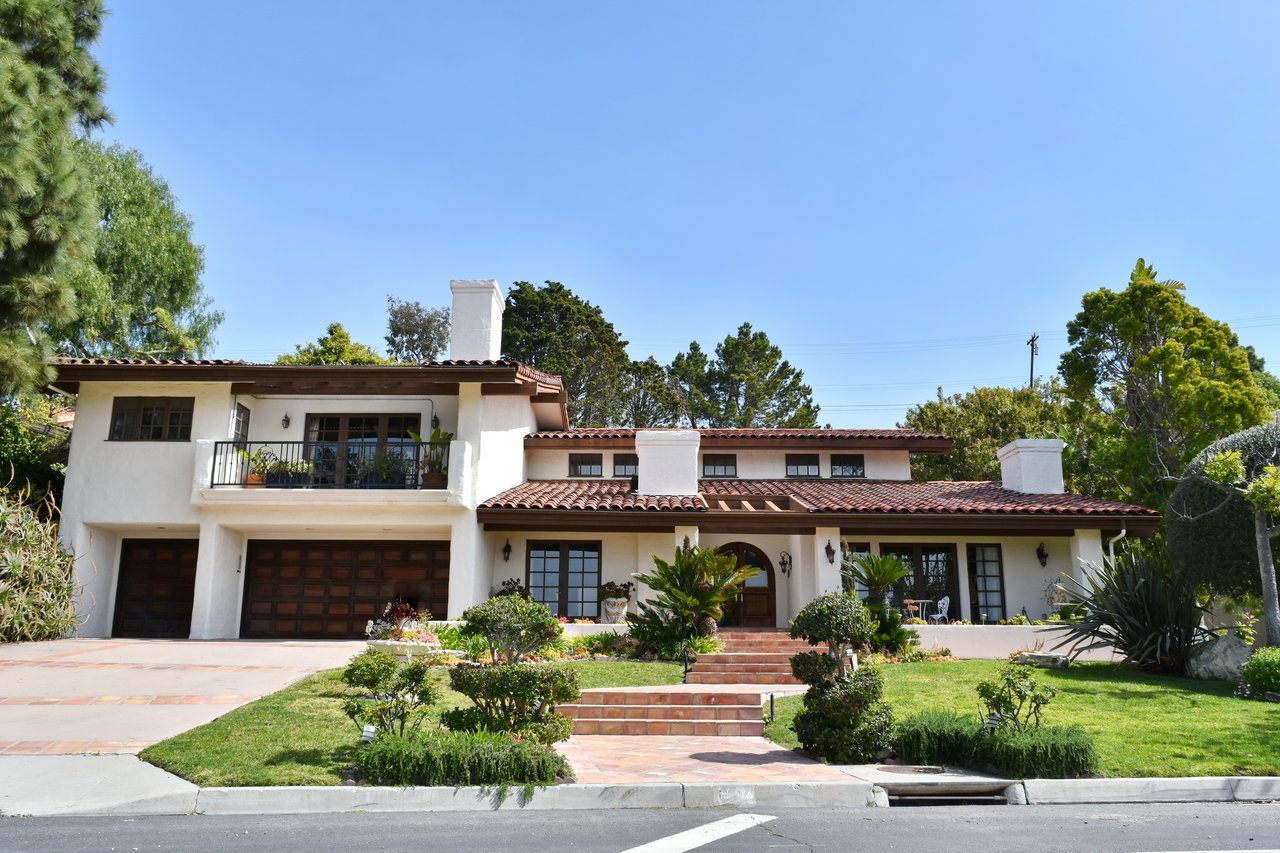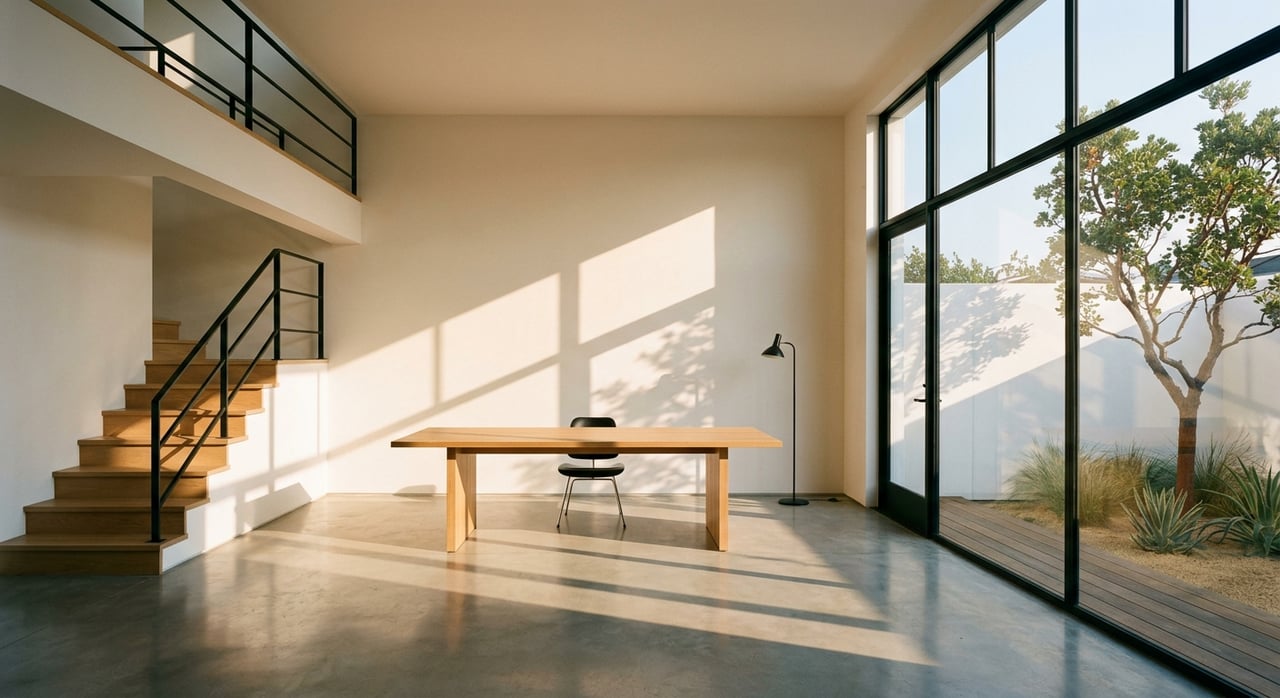
Wondering if a live-work home in Venice could make your daily life easier and more inspiring? If you want a home that does more than give you a place to sleep, Venice is one of the few Los Angeles neighborhoods where that idea can make real sense. The key is knowing the difference between a property that feels work-friendly and one that is actually suited and permitted for live-work use. Let’s dive in.
Why Venice fits live-work living
Venice is a natural place to consider a live-work home because the neighborhood has long blended residential, commercial, and creative uses. City planning materials describe a mix of single-family homes, multi-family housing, mixed-use buildings, industrial structures with artist galleries and live/work studios, plus older housing types like bungalow courts and garden apartments.
That mix matters if you work from home, run a creative practice, or want a dedicated studio space. Venice planning also supports mixed-use development in commercial areas, and Commercial Artcraft areas are intended to allow artisans to live, create, and market their work.
The neighborhood’s layout adds another layer of appeal. Venice planning documents emphasize walkability, bicycling, and reducing car dependence, which can make a live-work setup feel more connected to everyday life rather than isolated from it.
What a Venice live-work home can look like
Not every live-work property in Venice looks the same. In Los Angeles zoning, a live/work unit is a dwelling with workspace reserved for productive and entrepreneurial activities within the same unit. The city also distinguishes joint living and work quarters, which generally refers to adaptive reuse of commercial or industrial buildings for live/work use.
In practical terms, you may see a few common property types in Venice.
Loft-style live-work spaces
Some Venice properties follow a classic loft pattern. A common layout is a work studio on the ground floor with living areas above, which can create a cleaner separation between your workday and home life.
This format often appeals to buyers who want a true workspace rather than a desk in the corner of a bedroom. If your goal is focus, client meetings by appointment, or room for hands-on creative work, this type of layout can be a strong fit.
Mixed-use buildings
Venice planning supports mixed residential and commercial use in community commercial areas, often with ground-floor retail and residential uses above. That means some properties may offer a more urban live-work setup, especially if you want a building form that already aligns with mixed use.
For the right buyer, this can offer convenience and a stronger separation of functions. It can also come with more rules, so property-level review becomes especially important.
Homes with detached studios
Another common Venice pattern is the compound-style property. You might find an older home or bungalow paired with a detached studio, office, or accessory structure.
This type of setup works well for buyers who want privacy and flexibility. It also reflects Venice’s lot patterns, which are often compact and layered rather than large and suburban.
Why parcel details matter more than the label
A home can look perfect for your lifestyle and still not be the right legal fit for your intended use. In Venice, live-work eligibility is parcel-specific, and that is one of the most important things to understand before you buy.
Los Angeles planning guidance says zoning should be checked through ZIMAS and the zoning code. In Venice, that review matters even more because the neighborhood is shaped not just by base zoning, but also by overlays and specific plans.
Key planning frameworks in Venice include:
- The Venice Community Plan
- The Venice Coastal Land Use Plan
- The Venice Coastal Zone Specific Plan
In other words, the neighborhood name alone does not tell you whether a property works as a live-work home. The parcel, zoning, overlays, and permit history are what count.
Coastal rules are a big part of the equation
Venice is heavily influenced by coastal regulation. City planning materials say about 80 percent of the Venice Community Plan area is within the California Coastal Zone.
That matters because development in the coastal zone generally may not begin until a coastal development permit is issued by the California Coastal Commission or a local government. The local framework in Venice is also still evolving, since Venice has a certified Land Use Plan but its Implementation Plan has not yet been certified.
For you as a buyer, this does not automatically make a purchase harder. It does mean you should take existing improvements, prior approvals, and future plans seriously before assuming you can modify a space for your work needs.
Why many Venice live-work homes feel smaller-scale
If you picture a large warehouse-style conversion, Venice may or may not match that expectation. The Venice Coastal Zone Specific Plan includes standards that help explain why many projects feel lower-rise and access-conscious.
In many project areas, height limits include 25 feet for flat roofs and 30 feet for varied rooflines. The plan also generally requires vehicular access from alleys where feasible.
These standards help shape a neighborhood of smaller-scale forms and careful site design. For buyers, that often translates into properties that feel design-forward, compact, and highly adapted to their lots.
Who a Venice live-work home suits best
A Venice live-work home usually makes the most sense if you want a real workspace built into your living environment. The strongest fit is often for buyers in design, media, consulting, art, or other relatively low-impact work.
That does not mean every profession will fit every property. Venice tends to work best when your use aligns with the building form and the existing approvals, rather than when you need a conventional office setup, heavy storage, or a highly flexible commercial footprint.
A good way to think about it is simple: if you want an integrated home and workspace with a coastal, creative feel, Venice can be compelling. If you need a more intensive business setup, your options may narrow quickly.
How to evaluate a Venice live-work property
Before you get attached to a floor plan or a detached studio, slow down and verify the basics. Los Angeles code distinguishes live/work from home occupation, and a home that feels perfect for work is not automatically approved as a live-work property.
Use this checklist as a starting point:
- Confirm the exact zoning and overlay on the parcel
- Verify whether your intended use is allowed as live/work or only as a home occupation
- Review prior permits and any coastal approvals tied to the property
- Check whether the layout includes a truly designated work area
- Consider parking, alley access, and day-to-day functionality
These details can affect both your current use and your future resale options. A property that already matches your intended use is usually a better path than trying to force a standard home into a more intensive role.
Questions to ask before you buy
If you are comparing homes in Venice, it helps to ask focused questions early. That can save time and reduce surprises once you move into inspections and due diligence.
Here are a few smart questions to ask:
Is this property legally suited for live-work use?
You want more than a flexible room or detached structure. Ask how the space is classified and whether the intended use matches zoning and permit history.
Is the workspace truly functional?
Look beyond the listing language. Think about privacy, access, separation from living space, and whether the layout supports how you actually work.
Would future changes be straightforward?
If you plan to renovate, expand, or reconfigure the work area, Venice’s coastal and zoning framework matters. Existing approvals and site constraints can shape what is realistic.
Does the building already match the use?
The best candidates usually already make sense as live-work properties. Loft conversions, mixed-use buildings, and homes with separate studio space often offer a better fit than a conventional house with an improvised office.
The bottom line on Venice live-work homes
Venice can be an excellent place to buy a live-work home if you value creative energy, short trips, and a property with a real workspace built into daily life. The neighborhood’s planning history and housing mix make it one of the more credible live-work conversations on the Westside.
At the same time, this is not a category where you want to rely on assumptions. In Venice, the right answer depends on the parcel, zoning, overlays, coastal considerations, and permit history just as much as the layout itself.
If you are exploring live-work options in Venice, the smartest move is to start with the property details and your actual use case. When those two line up, a Venice live-work home can be both practical and inspiring.
Ready to talk through Venice properties that match how you want to live and work? Connect with Mishevski Homes for thoughtful, local guidance.
FAQs
What is a live-work home in Venice, Los Angeles?
- A live-work home in Venice is generally a dwelling that includes a workspace for productive or entrepreneurial activity within the same unit, though some properties may also fall under joint living and work quarters in adapted commercial or industrial buildings.
How is a Venice live-work home different from a home office?
- Los Angeles zoning distinguishes live/work from home occupation, so a property that feels work-friendly is not automatically a legally approved live-work property.
What types of live-work properties are common in Venice?
- Common Venice live-work setups include loft-style spaces, mixed-use buildings, and homes with detached studios or separate work areas.
Why do zoning rules matter for Venice live-work homes?
- Zoning rules matter because live-work eligibility is parcel-specific, and Venice properties may also be affected by overlays, the Venice Community Plan, the Venice Coastal Land Use Plan, and the Venice Coastal Zone Specific Plan.
Do coastal rules affect Venice live-work properties?
- Yes, much of Venice is within the California Coastal Zone, so coastal permits and prior approvals can affect development, renovations, and how a property may be used.
Who should consider buying a live-work home in Venice?
- Venice live-work homes often make the most sense for buyers who want a dedicated workspace for relatively low-impact work such as design, media, consulting, or art, and who value a walkable coastal setting.