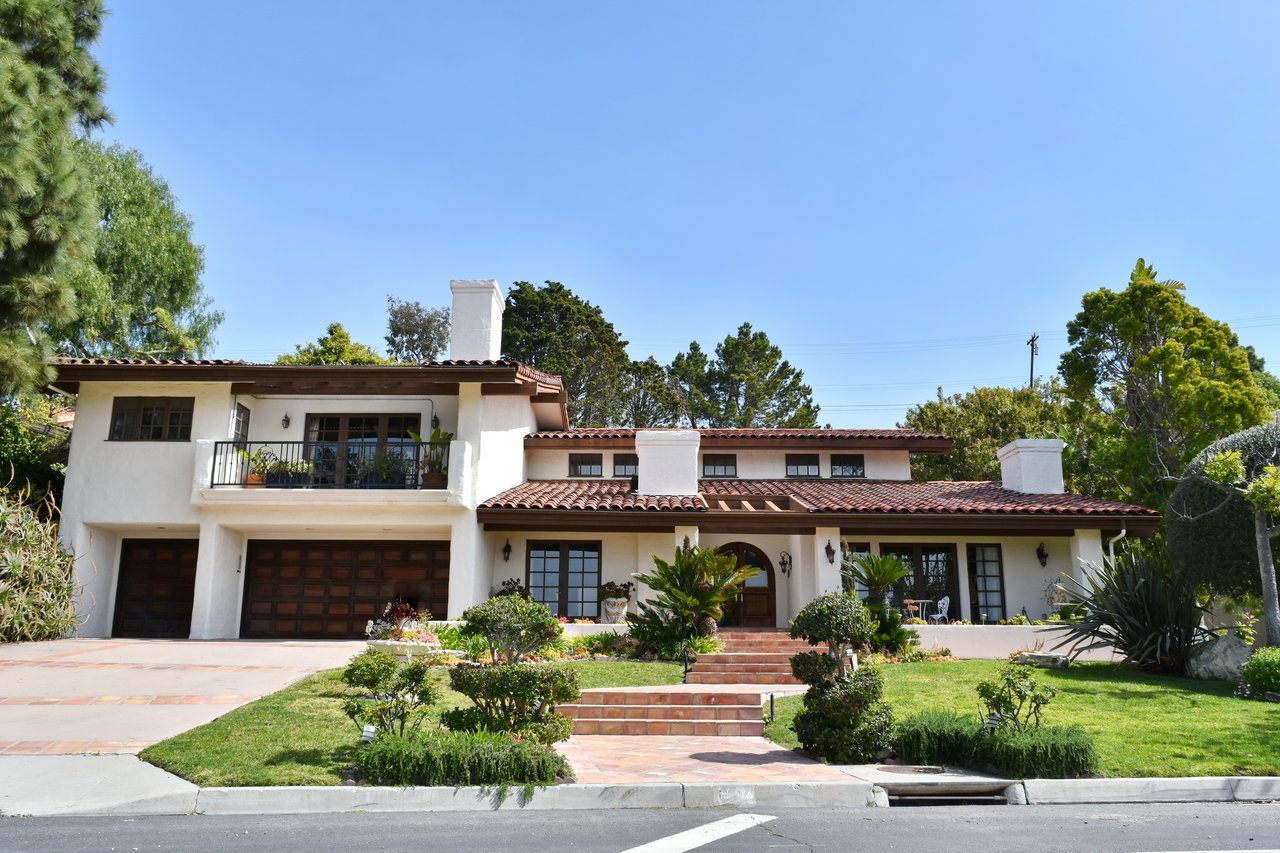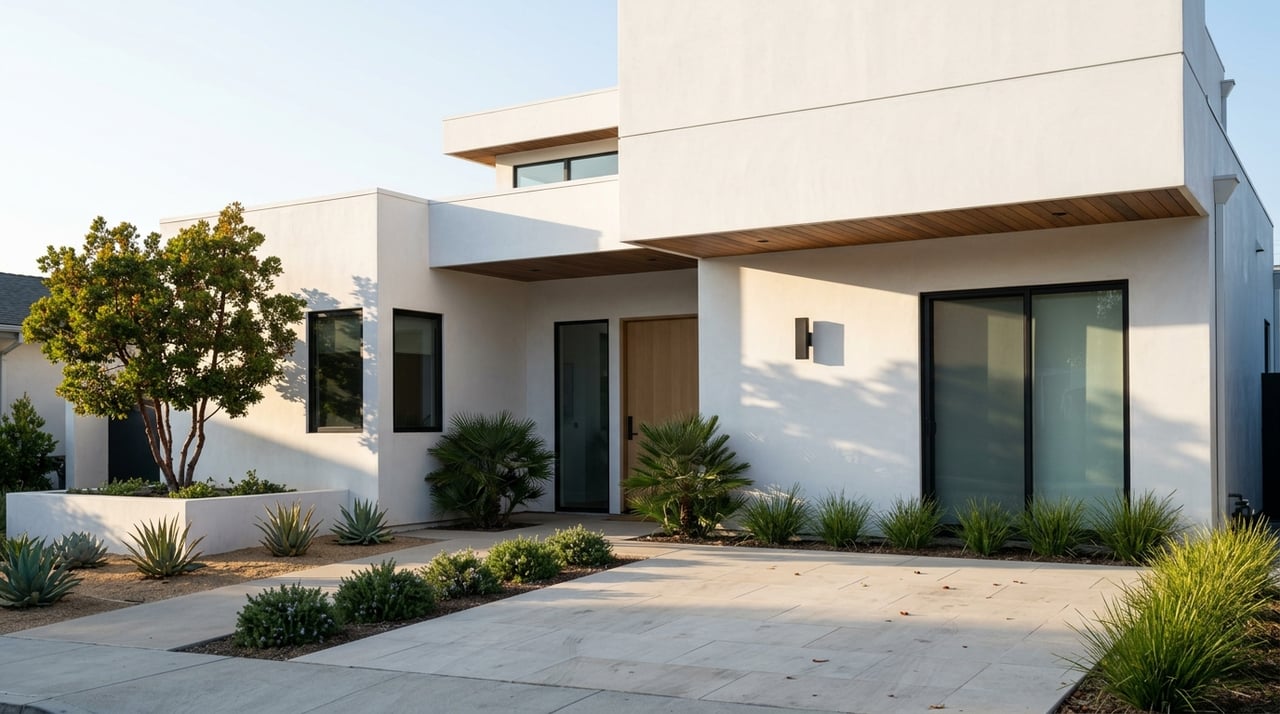
If you own in Pacific Palisades or are thinking about buying there, the big question is simple: will this market reward patience? In a neighborhood with high prices, changing sales conditions, and real wildfire-related risk, that is not a casual decision. The good news is that the long-term hold case can still make sense if you understand where the upside comes from, where the pressure points are, and what type of property fits your goals. Let’s dive in.
What makes Pacific Palisades a long-term hold
Pacific Palisades looks stronger as a scarcity and flexibility play than as a pure cash-flow market. It remains one of the Westside’s premium neighborhoods, and the local land-use structure can help limit future supply. That matters over long time horizons, especially if you already have equity or do not need the property to produce strong monthly income right away.
At the same time, this is not a market that currently supports easy short-term assumptions. Recent data points to softer pricing and moderate time on market, which suggests a reset rather than a straight-line climb. For many owners, the long-term case depends less on chasing quick appreciation and more on whether you can comfortably carry the property through slower periods.
Pacific Palisades market trends in 2026
The main data sources do not line up exactly, but they tell a similar story. Zillow shows an average home value of $3,044,325, down 10.9% year over year, with homes going pending in about 41 days. Redfin reports a median sale price of $2.83 million, down 32.6% year over year, with a 55-day median days on market.
Realtor.com places the median listing price at $3.6 million, with a 57-day median days on market and a median rent of $12,166. It describes the market as warm or balanced. Put together, that points to a premium neighborhood that still has buyer demand, but not the kind of tight seller conditions that make every hold decision look easy.
Why soft pricing does not always break the long view
A year-over-year decline can feel alarming, but context matters. In Pacific Palisades, the current softness looks more like a market digesting change than one losing its long-term appeal altogether. That difference is important if your time horizon is measured in years, not months.
This also means negotiation, timing, and property selection matter more than usual. In a market like this, a smart hold often starts with buying or keeping the right asset at a manageable cost basis. If your monthly carrying costs are too high, even a strong neighborhood may not feel like a strong investment.
The post-fire market adds complexity
Pacific Palisades has been shaped by more than normal market cycles. In the 90272 ZIP code, Redfin reported that investors bought 40.3% of the lots sold in the third quarter of 2025. It also reported 309 vacant lots for sale in Pacific Palisades during the three months ending November 30, 2025.
That kind of land and rebuild activity can distort comparable sales and make the market feel uneven. You may be comparing an intact resale home, a teardown, and a vacant lot in the same broader area, even though they serve very different buyers. For long-term owners, that makes careful pricing and underwriting even more important.
What this means for buyers and owners
If you are buying, lot-driven activity can create opportunity, but it can also make values harder to read in the short term. If you already own, it may mean your home's value is being measured in a market with unusual noise. That does not erase long-term potential, but it does raise the importance of patience and local analysis.
Rental demand in Pacific Palisades
A hold strategy gets easier when rental demand can help support the property. In Pacific Palisades, that support exists, but it is concentrated at the high end and may not fully offset ownership costs. This is one reason the market tends to fit owners focused on long-term wealth preservation or optionality more than immediate income.
City Planning data for the Brentwood-Pacific Palisades community plan area shows 26,315 dwelling units, with 61.5% owner occupied and 38.5% renter occupied. The same profile shows 52.7% single housing units and 46.5% multiple housing units, with a median household income of $166,447. The housing stock also leans older, with many homes built in the 1950s, 1960s, and 1970s.
Those numbers suggest an established, affluent area with a real rental segment, but not a deep middle-market renter base. In practical terms, renters are there, though often for specific life transitions rather than broad, high-volume demand.
How active is the rental market?
Realtor.com shows about 111 rentals available in the neighborhood, with a median rent near $12,000. Its condo rental page shows 12 active condos for rent, a median rental price of $12,000, and an average of 76 days on market. That tells you rentals can command high rents, but they may also take longer to lease than in more affordable submarkets.
For an owner, that means vacancy planning matters. If you are counting on rent to carry most of the payment, you need a realistic cushion for marketing time, turnover, and maintenance.
Single-family homes vs condos and townhomes
Not every Pacific Palisades hold works the same way. In general, single-family homes are the stronger appreciation asset, while condos and townhomes may offer a better income profile. The right choice depends on whether you care more about long-term equity growth, lower entry price, or rental viability.
Single-family homes as appreciation plays
Realtor.com’s single-family data shows a neighborhood-level median listing price of $2,696,500 and a median rent of $15,000. That rent sounds strong on its own, but it does not scale especially well against the purchase price. The mismatch becomes even clearer in luxury examples.
One Zillow single-family example at 16021 Northfield St shows a Zestimate around $5.17 million and a Rent Zestimate of $7,936. That works out to about 1.84% gross rent-to-value before property taxes, insurance, maintenance, and vacancy. In plain terms, many single-family homes here look better as long-term equity assets than as cash-flow-first rentals.
Condos and townhomes as more yield-friendly options
Attached housing can make more sense if you want a lower price point and better rent efficiency. One Zillow townhome example at 17251 Palisades Cir shows a Zestimate of about $1.023 million, a Rent Zestimate of $5,674, and an HOA of $777 per month. That produces about 6.66% gross rent-to-value before HOA and other costs, and the HOA alone cuts roughly 0.9 percentage points from that gross yield.
That is still not a guaranteed cash-flow win, but it is a very different profile from a luxury single-family hold. Because nearly half of local units are in multiple-housing structures, condos and townhomes are a meaningful part of the neighborhood housing mix, not a side category.
The biggest risks to weigh
A smart long-term hold is not just about upside. It is also about whether you can survive the downside without being forced into a bad sale. In Pacific Palisades, the biggest risks are wildfire exposure, insurance costs, redevelopment friction, and slower liquidity during stressed periods.
Wildfire and insurance risk
Wildfire risk is central here. CAL FIRE explains that fire hazard zones are based on factors like fuel, slope, weather, and fire history. Redfin’s First Street data flags 99% of Pacific Palisades properties as having some wildfire risk over the next 30 years.
For owners, that means you should stress-test more than the mortgage payment. You also need to think through insurability, premium increases, potential occupancy interruptions, and what a rebuild delay could mean for your finances.
Land-use rules and rebuilding timelines
Los Angeles City Planning identifies several overlapping planning controls that affect Pacific Palisades, including the Brentwood-Pacific Palisades Community Plan, the Pacific Palisades Commercial Village and Neighborhood Specific Plan, and a dual coastal plan zone. The city notes that specific plans and local coastal programs supplement base zoning.
These rules can help preserve neighborhood character and limit supply. They can also slow redevelopment or infill, which matters if your hold strategy depends on major renovation, rebuilding, or future expansion.
When a Pacific Palisades hold makes sense
A Pacific Palisades hold can be rational when three things line up. First, you have enough equity or a low enough basis that the property is not putting constant pressure on your monthly budget. Second, you can absorb slower market periods, higher insurance costs, and possible rental gaps. Third, the property type matches your real goal, whether that is appreciation, flexible occupancy, or income support.
For many owners, this is less about chasing maximum yield and more about keeping a strong asset in a supply-constrained Westside location. That can be a smart move if your finances support it. If they do not, selling or trading into a property with a better carry profile may be the more practical choice.
A practical way to evaluate your next step
If you are deciding whether to hold, buy, or reposition in Pacific Palisades, keep your analysis simple and honest. Focus on:
- Your current or expected monthly carrying costs
- Insurance availability and likely premium changes
- Realistic rental income, not best-case rent
- Expected vacancy or lease-up time
- HOA costs if you are considering attached housing
- Whether your time horizon is long enough to ride through a softer market
That kind of grounded review often tells you more than a headline price trend. In a market like Pacific Palisades, long-term success usually comes from disciplined ownership, not from assuming the neighborhood will do all the work for you.
If you want help weighing a Pacific Palisades hold against selling, leasing, or buying a different Westside property, Mishevski, Inc can help you review the numbers and your options with a local, practical lens.
FAQs
Is Pacific Palisades a good market for long-term appreciation?
- Pacific Palisades can support a long-term appreciation case because it remains a premium Westside market with supply constraints, but current data suggests the hold case is stronger for patient owners than for short-term investors.
Is Pacific Palisades a strong cash-flow rental market?
- Usually not for many single-family homes, since local purchase prices are high relative to rent, though some condos and townhomes may offer a more workable rental profile.
What do current Pacific Palisades home prices show?
- Recent 2026 data shows a high-priced market with year-over-year softness, including Zillow’s average home value of $3,044,325 and Redfin’s median sale price of $2.83 million.
Are Pacific Palisades condos better for holding than single-family homes?
- They can be for income-focused owners because attached homes often have a lower entry price and better rent-to-value math, though HOA costs can narrow that advantage.
What is the biggest long-term hold risk in Pacific Palisades?
- Wildfire and insurance risk are major factors, along with rebuild timing, planning constraints, and the possibility of slower liquidity during disrupted market periods.
Should you sell or hold a home in Pacific Palisades?
- It depends on your equity, carrying costs, insurance picture, and time horizon, since a hold can make sense when you can comfortably carry the asset through slower conditions.