If you want coastal Los Angeles without the constant buzz of a tourist-heavy beach scene, Playa del Rey deserves a closer look. This neighborhood offers a quieter pace, easy outdoor access, and a more residential feel than many people expect from the Westside. If you are wondering what daily life is really like here, this guide will walk you through the setting, housing, lifestyle, and tradeoffs so you can decide whether Playa del Rey fits the way you want to live. Let’s dive in.
Why Playa del Rey Feels Different
Playa del Rey stands apart because it feels more tucked away than many nearby beach communities. The City of Los Angeles describes it as a walking community with shops, restaurants, and beaches close together, along with a small-town feel despite being part of a major city.
That character is reinforced by how the neighborhood is laid out. The Westchester-Playa del Rey Community Plan says commercial activity is concentrated along Culver Boulevard, Pershing Drive, and Manchester Avenue, with smaller neighborhood-serving businesses rather than a large commercial district. In other words, you get everyday convenience without the feel of a nonstop retail corridor.
For many buyers and renters, that is the main draw. Playa del Rey can feel coastal and connected while still reading as residential, low-key, and a bit more understated than some of its famous neighbors.
Daily Life in Playa del Rey
One of the biggest appeals of living in Playa del Rey is how easy it is to build outdoor time into your routine. The neighborhood is closely tied to Dockweiler State Beach, Del Rey Lagoon, and the Ballona Wetlands, which gives the area a strong natural backdrop.
If you like to stay active, the Marvin Braude Bike Trail is a major lifestyle feature. The City of Los Angeles describes it as a 22-mile paved route along the Santa Monica Bay shoreline from Will Rogers State Beach to Torrance County Beach. That gives you a practical way to bike, jog, or simply enjoy the coast without needing to make it a full-day event.
The neighborhood also benefits from bike access improvements on the Westside. Metro says these improvements connect people to Playa del Rey, Dockweiler State Beach, the Ballona Creek Bike Path, and the E Line. For residents who like to mix driving, biking, and transit, that added flexibility matters.
A Walkable, Local Rhythm
Playa del Rey is not defined by a single nightlife strip or a large entertainment zone. Instead, its commercial areas are woven into the neighborhood in a way that supports day-to-day living.
According to the community plan, Culver Boulevard acts as the main route to the beach and includes restaurants, offices, and small-scale shops and services. The plan also identifies a pedestrian-oriented area along Culver Boulevard, which helps explain why the neighborhood often feels easier to navigate on foot than people might expect.
That setup creates a more local rhythm. You are more likely to think in terms of grabbing coffee, heading to the beach, biking the coast, or meeting friends for a relaxed meal than planning around a major nightlife district.
Dining in Playa del Rey
The restaurant scene in and around Playa del Rey fits the neighborhood’s overall personality. It is more small-scale and integrated into the community rather than built around a high-energy destination vibe.
The community plan specifically describes the area’s commercial uses as neighborhood-serving, and that framing matters. Dining here tends to feel like part of everyday life instead of the main attraction.
Coverage in the broader Westchester and Playa del Rey area has highlighted places like Bacari PDR and Playa Provisions, along with ocean-view dining options nearby. For residents, that means you have recognizable local choices while still keeping the quieter character that draws many people to the neighborhood in the first place.
What Types of Homes You’ll Find
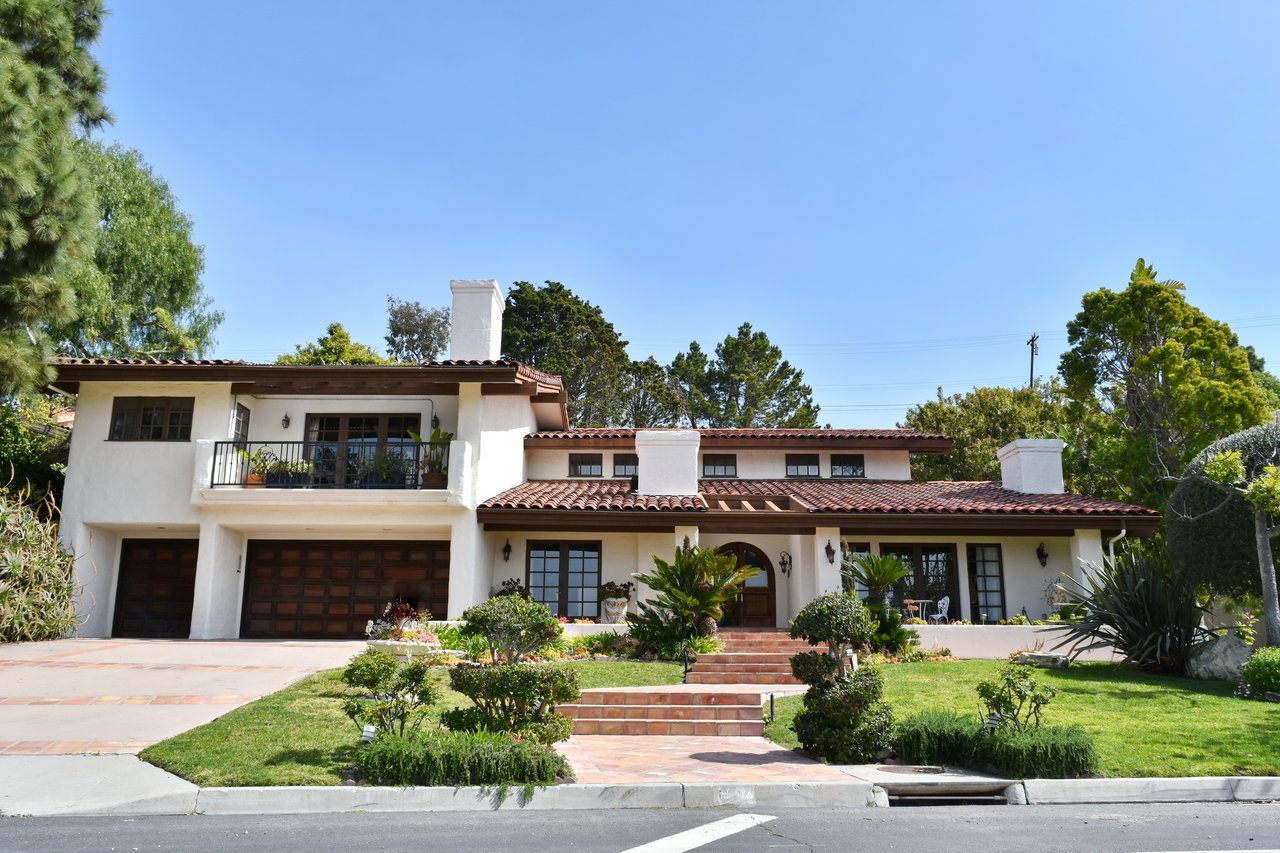
Playa del Rey is not a one-note housing market, which is part of its appeal. The community plan describes several distinct residential patterns across the neighborhood, and that variety gives buyers and renters more than one way to enter the area.
In blufftop sections, you will find one- and two-story single-family homes. Around the lagoon, the plan notes two- and three-story residential buildings and duplexes. In the beachside area often referred to as the Jungle, the plan describes two- and three-story multi-family residences and walk streets.
That local planning picture lines up with current market inventory language showing houses, condos or co-ops, townhouses, and multi-family properties. So whether you are looking for a lower-maintenance condo, a townhome, or a single-family residence with a more private feel, Playa del Rey offers a meaningful mix.
Playa del Rey Home Prices in Context
Playa del Rey is firmly part of the Westside coastal market, and pricing reflects that. Redfin’s April 2026 snapshot places the median sale price at $999,628, with homes taking about 51 days to sell and the market described as somewhat competitive.
Context matters here. In the same month, Redfin shows Santa Monica at $1.78 million and Venice at about $1.90 million. While every property and micro-location is different, that comparison helps explain why Playa del Rey often feels more understated in both image and pricing than some nearby coastal markets.
For buyers, that can make Playa del Rey worth serious consideration if you want Westside beach access and neighborhood character without stepping directly into the pricing levels often associated with Santa Monica or Venice. For sellers, it shows that Playa del Rey still holds a clear position within the coastal Los Angeles market.
How Playa del Rey Compares to Venice and Santa Monica
If you are comparing beach communities, the biggest difference is not just price. It is pace.
Santa Monica and Venice are well-known, high-visibility coastal markets with strong destination appeal. Playa del Rey, by contrast, tends to feel more residential and more tucked into the everyday fabric of local life.
That does not mean it lacks amenities or access. It means the neighborhood experience is often shaped by smaller business corridors, beach routines, and a calmer street-level feel. For some buyers, that lower-key identity is exactly the point.
Access, Commute, and the LAX Factor
Playa del Rey’s location is a practical advantage for many residents. The community plan says the area is adjacent to Los Angeles International Airport and near places like Culver City, Inglewood, and El Segundo, while also sitting south of Venice.
That positioning can be especially attractive if you travel often or work on the Westside or in nearby employment centers. You are close to the coast, but you are also close to major regional connections.
At the same time, airport proximity is part of the lived experience here. For some people, being near LAX is a major convenience. For others, it may be a factor they want to weigh carefully before choosing the neighborhood.
Who Playa del Rey Often Appeals To
Playa del Rey tends to attract people who want coastal access without a constant resort feel. If your ideal day includes walking to nearby spots, biking along the shoreline, or getting to the beach with less effort, the neighborhood checks a lot of boxes.
It can also appeal to buyers and renters who want housing options beyond one property type. Because the neighborhood includes single-family homes, condos, townhomes, duplexes, and multi-family residences, it gives you flexibility depending on your budget, lifestyle, and long-term plans.
Most of all, Playa del Rey works well for people who value a calmer version of Westside coastal living. It offers a beach-oriented lifestyle, but with a more residential cadence than many people expect.
Is Playa del Rey Right for You?
If you are drawn to a quieter coastal setting, Playa del Rey is easy to see as a hidden pocket of the Westside. Its walkable feel, neighborhood-scale business areas, outdoor access, and varied housing stock make it a compelling option for buyers, sellers, and renters who want more than a postcard beach address.
It is also a neighborhood where the details matter. The best block, home type, and location for you may depend on whether you prioritize beach access, a blufftop setting, a condo lifestyle, or convenience to major routes and LAX.
If you are thinking about buying, selling, leasing, or simply learning how Playa del Rey compares with nearby Westside neighborhoods, working with a local advisor can help you narrow the options quickly and confidently. When you are ready to talk through your goals, connect with Danny Mishevski.
FAQs
What is daily life like in Playa del Rey?
- Playa del Rey offers a quieter coastal routine with nearby shops, restaurants, beach access, and outdoor spaces like Dockweiler State Beach, Del Rey Lagoon, and the Ballona Wetlands.
How walkable is Playa del Rey for everyday errands?
- The City of Los Angeles describes Playa del Rey as a walking community, and the local commercial areas along Culver Boulevard and nearby corridors support day-to-day convenience.
What types of homes are common in Playa del Rey?
- The neighborhood includes single-family homes, condos, townhomes, duplexes, and multi-family residences, with different housing patterns in blufftop, lagoon-area, and beachside sections.
How does Playa del Rey compare with Venice or Santa Monica?
- Playa del Rey generally feels more residential and low-key, while still offering coastal access and Westside location benefits that make nearby beach communities so popular.
Is Playa del Rey convenient for frequent travelers?
- Yes, Playa del Rey is adjacent to LAX, which can be a strong advantage if you travel often, though airport proximity is also something many buyers choose to weigh carefully.
Is Playa del Rey a competitive housing market?
- Redfin’s April 2026 snapshot rates Playa del Rey as somewhat competitive, with a median sale price of $999,628 and homes taking about 51 days to sell.