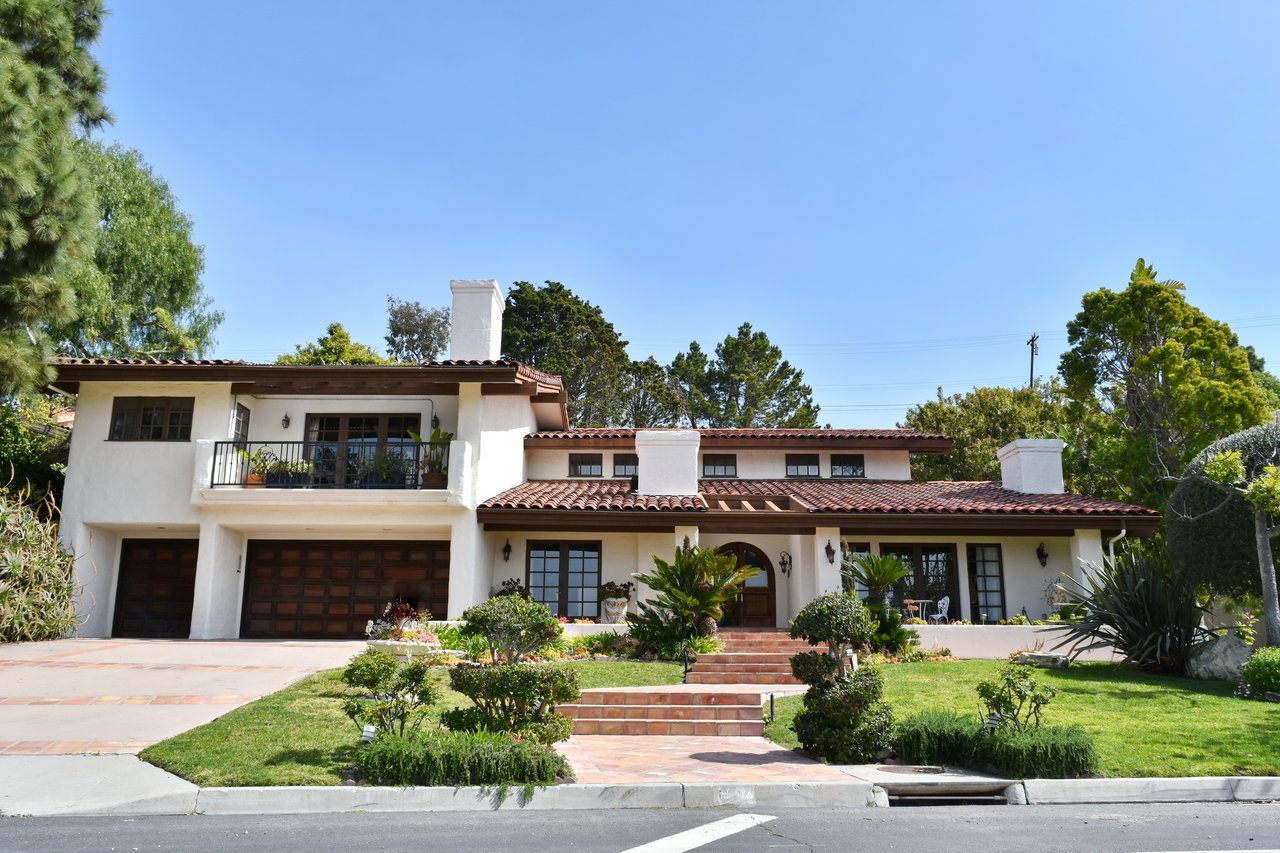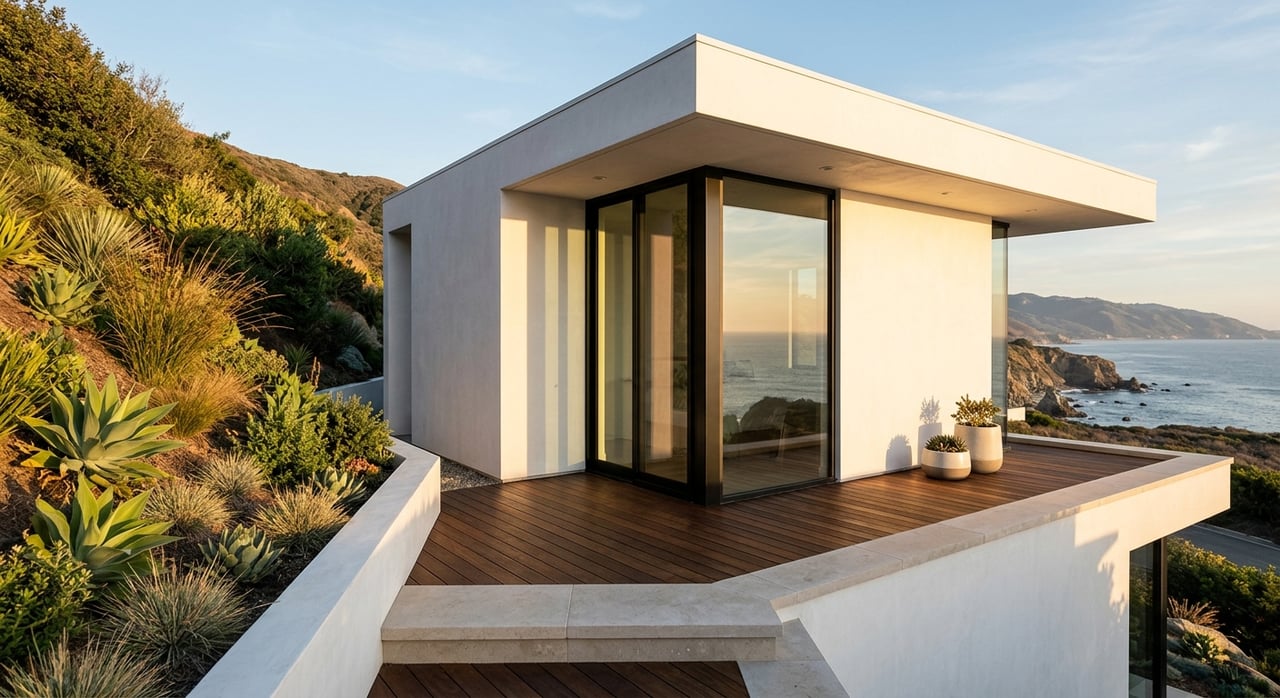
Trying to choose between an oceanfront home and a canyon property in Malibu? On paper, both can look like dream homes. In real life, they often offer very different daily routines, maintenance needs, and long-term responsibilities. If you are weighing the Malibu oceanfront vs. canyon home decision, this guide will help you compare the tradeoffs clearly and confidently. Let’s dive in.
Malibu Creates Two Distinct Ownership Paths
Malibu is not a one-note coastal market. The city includes beachfront areas, coastal bluffs, steep hillsides, foothills, and canyon settings, and those landforms shape how a property lives day to day.
According to the City of Malibu’s Safety Element, these conditions create different hazard exposures across the city, including wildfire, geologic instability, and flooding tied to runoff and tidal conditions. Malibu is also entirely within the California Coastal Zone, and the city notes that its Local Coastal Program governs new development.
That means your decision is not only about views or privacy. It is also about which ownership experience fits your lifestyle, comfort level, and maintenance priorities.
Oceanfront Homes in Malibu
Oceanfront and blufftop homes are often the first image people picture when they think about Malibu. The appeal is easy to understand: direct coastal views, immediate beach access in some locations, and a strong connection to the shoreline.
For many buyers, that daily access to the water is the main draw. If your ideal morning includes stepping outside to ocean air and watching the coastline change with the light, oceanfront living can feel hard to beat.
What Oceanfront Living Feels Like
Homes near the water tend to have a stronger marine influence. NOAA’s marine-layer guidance explains that low clouds and fog often stay closest to the coast, especially when the marine layer is shallow, while inland areas may warm up more quickly.
In practical terms, that often means oceanfront homes feel cooler and foggier than canyon homes. The exact feel depends on the lot’s elevation and exposure, but the coast generally delivers a more marine-driven daily climate.
Oceanfront Risks and Maintenance
The same location that creates the view also creates exposure. Malibu’s Coastal page and Safety Element say beachfront and blufftop development can be affected by sea level rise, tidal inundation, storm flooding, coastal erosion, and access-road exposure.
The city also notes that some oceanfront property may be affected by tidal inundation, and beachfront parcels may face septic issues as groundwater rises. Over time, these conditions can shape both maintenance planning and future remodeling decisions.
Salt air is another practical factor. NOAA says salt spray frequently contributes to corrosion of building materials in coastal environments, which helps explain why coastal ownership often involves close attention to exterior upkeep.
Who Oceanfront Homes May Suit Best
Oceanfront homes may be the better fit if your top priorities are:
- Daily beach access
- Direct coastal views
- A cooler, marine-influenced setting
- A front-row connection to Malibu’s shoreline
If those benefits matter most to you, the upkeep and coastal conditions may feel like a worthwhile tradeoff.
Canyon Homes in Malibu
Canyon homes offer a different version of Malibu living. Instead of putting the beach at your doorstep, they often place you closer to hillsides, open space, and a more tucked-away setting.
For some buyers, that sense of separation is the point. A canyon property can feel more private, more topographically dramatic, and more connected to the Santa Monica Mountains side of Malibu.
What Canyon Living Feels Like
Malibu is surrounded by foothills and canyons, and that geography shapes the lifestyle. The National Park Service says the Santa Monica Mountains include more than 500 miles of public trails, and Malibu’s Charmlee Wilderness Park hikes on Encinal Canyon Road show how naturally some canyon locations connect to outdoor recreation.
NOAA also notes that coastal mountains can block the marine layer from moving inland. In day-to-day terms, canyon homes often feel less foggy and more temperature-variable than homes right on the coast.
Canyon Risks and Maintenance
Canyon living shifts the maintenance conversation. While oceanfront homes often face more coastal wear, canyon properties usually require greater focus on wildfire hardening, brush clearance, drainage, and slope stability.
Malibu says the entire city is in a Very High Fire Hazard Severity Zone, so wildfire preparation is not limited to canyon areas alone. Still, hillside and canyon settings often make buyers pay closer attention to defensible space, access roads, and how a site handles seasonal weather.
Malibu also requires mandatory brush clearance. Its Winter Storm Safety guidance says small mudslides and rockslides occur regularly, especially during rainy winter months, and the Safety Element identifies landslides, mudslides, and slope instability as major hazards.
Who Canyon Homes May Suit Best
Canyon homes may be the better fit if you value:
- A more secluded hillside setting
- Easy access to trails and mountain recreation
- Less marine-layer influence
- A stronger sense of separation from the shoreline activity
For the right buyer, those benefits can outweigh the lack of immediate beach access.
Key Tradeoffs Between Oceanfront and Canyon Homes
When you compare Malibu oceanfront vs. canyon homes, the smartest approach is to look past aesthetics. A beautiful listing photo does not tell you how a property functions in wind, fog, rain, fire season, or changing coastal conditions.
Here is the practical side-by-side view.
| Factor | Oceanfront Homes | Canyon Homes |
|---|---|---|
| Daily setting | Beach-oriented and shoreline-connected | Hillside-oriented and more secluded |
| Typical climate feel | Cooler, foggier, more marine-influenced | Less foggy, more temperature variation |
| Recreation access | Strong connection to beach lifestyle | Strong connection to trails and open space |
| Core maintenance focus | Corrosion, erosion, coastal exposure, septic or groundwater issues on some parcels | Brush clearance, wildfire hardening, drainage, slope stability |
| Main hazard concerns | Sea level rise, tidal inundation, storm flooding, coastal erosion | Wildfire, landslides, mudslides, rockslides, slope instability |
| Access considerations | Some access roads may be exposed to coastal conditions | Some properties may have limited evacuation routes or storm-related access issues |
A useful way to think about budget is this: oceanfront ownership often shifts costs toward coastal maintenance, erosion concerns, and permit complexity, while canyon ownership often shifts costs toward fire hardening, drainage work, slope-related upkeep, and access management. That is not a fixed pricing formula, but it is a practical inference from Malibu’s hazard profile.
Questions to Ask Before You Choose
No matter which type of property you prefer, the best next step is to get specific about the lot itself. In Malibu, one parcel can perform very differently from another.
Ask About Parcel Type and Site Conditions
Start with the basics. Is the home oceanfront, blufftop, or inland canyon? Malibu’s planning documents distinguish between beachfront and blufftop development and hillside or canyon areas, and the risk profile changes by parcel.
Ask for Slope and Drainage Information
If you are considering a canyon or hillside home, ask whether the seller has a geotechnical report, drainage plan, or slope-stability information. Malibu’s Safety Element identifies slope instability, landslides, and mudslides as major planning hazards.
Ask About Evacuation Routes
Road access matters in Malibu. The city says some residential developments in hazard areas may need alternate evacuation options or earlier notifications if they do not have at least two emergency routes.
For buyers, that makes this more than a theoretical question. You want to understand what happens if one road closes during fire season or a winter storm.
Ask Oceanfront-Specific Questions
For oceanfront or blufftop listings, ask whether there are seawalls, shoreline armoring, septic systems, or groundwater issues that could affect future maintenance or remodeling. Malibu notes that beachfront parcels can face rising groundwater and coastal erosion impacts.
That does not automatically rule out a property. It simply means you should understand the ownership responsibilities before you commit.
Ask About Ongoing Fire-Safety Work
For canyon and hillside properties, ask what level of brush clearance, fire hardening, and road-access maintenance is needed each year. Since Malibu requires mandatory brush clearance and identifies wildfire as a citywide issue, this is an important part of long-term planning.
How to Make the Right Choice for You
The best Malibu home is not always the one with the most dramatic listing photos. It is the one whose daily tradeoffs match the way you actually want to live.
Choose oceanfront if beach access, direct views, and a strong connection to the coastline matter most to you. Choose canyon if privacy, trail access, and a more secluded hillside feel matter more.
In both cases, Malibu ownership comes with real resilience and maintenance responsibilities. When you understand those responsibilities clearly, you can buy with more confidence and fewer surprises.
If you want help comparing Malibu properties with a practical, client-first lens, Mishevski, Inc can help you evaluate the lifestyle, access, and long-term considerations behind the listing photos.
FAQs
What is the main difference between Malibu oceanfront and canyon homes?
- Oceanfront homes are more connected to beach access and coastal views, while canyon homes usually offer a more secluded hillside setting with stronger access to trails and open space.
Are canyon homes in Malibu safer than oceanfront homes?
- Not necessarily. Malibu’s Safety Element says different parts of the city face different hazards, and the entire city is in a Very High Fire Hazard Severity Zone, so the key is understanding the risks tied to the specific parcel.
Do oceanfront homes in Malibu require more maintenance?
- They often require more attention to coastal issues such as corrosion, erosion exposure, and in some cases septic or groundwater concerns, based on Malibu and NOAA guidance.
What should buyers ask about Malibu canyon properties?
- Buyers should ask about brush clearance, slope stability, drainage, geotechnical reports, and how the property is affected by access roads and evacuation routes.
Does the marine layer affect Malibu oceanfront homes more than canyon homes?
- Often, yes. NOAA explains that low clouds and fog tend to stay closer to the coast, while inland areas can warm more quickly when coastal mountains block the marine layer.
How should I choose between an oceanfront and canyon home in Malibu?
- Focus on your daily priorities first, then compare each property’s maintenance demands, hazard exposure, and access conditions so your purchase matches your lifestyle and risk tolerance.