If you want a Los Angeles neighborhood that feels more residential than hectic, Westchester often stands out quickly. You get a largely postwar housing base, access to major Westside routes, and everyday amenities that make the area feel lived-in rather than just passed through. If you are trying to picture what homes look like here and how day-to-day life actually feels, this guide will help you sort through the basics. Let’s dive in.
Westchester at a glance
Westchester is part of the Westchester, Playa del Rey Community Plan Area in Los Angeles. City planning materials describe it as an early agricultural area that developed into a residential community in the 1930s as LAX expanded.
Today, Westchester still reads as a neighborhood-first area with a strong residential character. City information estimates about 48,000 residents, and roughly half of the housing stock is detached single-family homes on small lots.
That mix matters when you are comparing Westchester with denser parts of Los Angeles. It is not a purely suburban enclave, but it does offer a lower-rise, more neighborhood-scaled feel than many buyers expect within LA city limits.
Home styles in Westchester
Detached postwar homes lead the market
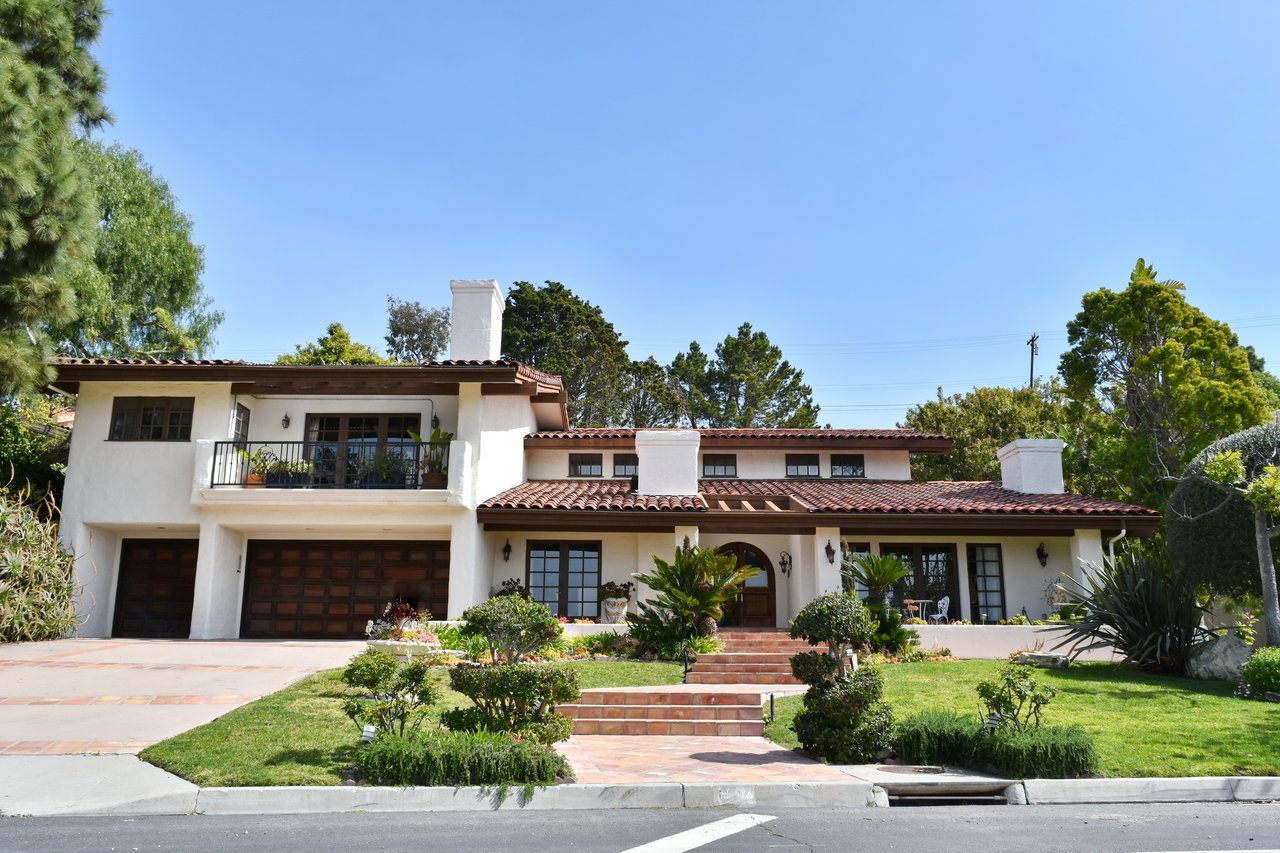
The clearest housing pattern in Westchester is the detached single-family home. Official city materials describe the housing stock as overwhelmingly postwar, which helps explain the neighborhood’s consistent look and feel across many residential streets.
For you as a buyer, that usually means a housing environment that feels established and practical. Many interior blocks tend to feel calmer and more residential in character, especially compared with busier corridor locations.
Small lots shape the streetscape
Westchester’s detached homes often sit on smaller lots, which is part of the neighborhood’s long-standing development pattern. That gives many streets a compact residential feel where homes are close enough together to create a steady neighborhood rhythm without feeling overly vertical.
If you are looking for a traditional Westside home base, this layout is part of the appeal. You still get a single-family setting, but within a part of Los Angeles that remains connected to major job centers, airport access, and coastal areas.
Newer homes appear as infill
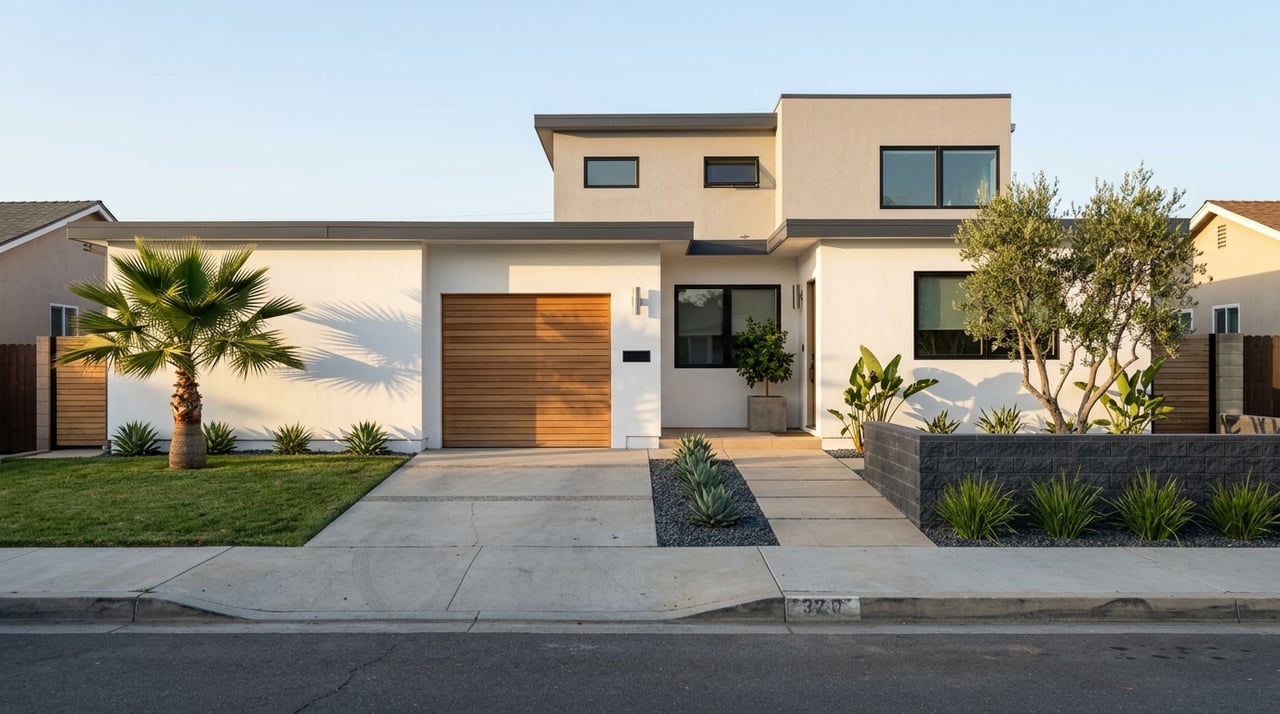
Newer construction exists in Westchester, but it is not the dominant housing type. In most cases, newer homes show up as infill development or redevelopment rather than as a neighborhood-wide pattern.
That means if you are specifically searching for newer finishes, recently rebuilt properties, or modern layouts, you are more likely to find them near commercial corridors and redevelopment areas than evenly spread across all of Westchester.
Condos and townhomes have a smaller footprint
Attached housing is part of the local mix, but it plays a smaller role than detached homes. Planning documents recognize both single-family and multifamily uses, with attached options and mixed-use residential space appearing more often in commercial and mixed-use areas.
For buyers who want lower-maintenance living, condos and townhomes can still be part of the search. In Westchester, they tend to cluster near places like Downtown Westchester, Loyola Village, and other commercial nodes rather than appearing on every residential block.
Where different housing types show up
Interior streets feel more residential
If you drive through Westchester, the interior streets are where the detached, neighborhood-scaled housing pattern becomes most obvious. This is where the area tends to feel most consistently residential and aligned with its postwar roots.
For many buyers, this is the version of Westchester that defines the neighborhood. It offers a more settled atmosphere while still keeping you inside Los Angeles and close to major Westside destinations.
Commercial corridors bring more variety
Westchester’s main commercial centers include Downtown Westchester and Loyola Village. Planning documents also point to corridors like Sepulveda, Lincoln, and Manchester as places where mixed-use development and redevelopment are more likely to shape the built environment.
That usually means more variety in what you will see near those areas. Buyers may come across newer construction, attached housing, mixed-use buildings, and a more active street experience compared with the quieter interior blocks.
What daily life feels like
A residential feel with city access
One of Westchester’s biggest draws is the balance between residential character and city convenience. The neighborhood remains largely residential, but it is also tied closely to major employment, retail, and transportation infrastructure.
In practical terms, that can make daily life feel efficient. You are not cut off from the rest of Los Angeles, but you also are not living in a neighborhood defined only by density and constant commercial activity.
Parks and recreation support everyday routines
Westchester Recreation Center is a major neighborhood amenity. City materials list picnic areas, basketball courts, tennis courts, a baseball field, a pool, a senior center, and a public library on site, along with year-round programs and after-school services.
That kind of amenity base helps shape how a neighborhood functions day to day. Whether you are looking for active recreation, public programming, or simple outdoor space, this is one of the key places that supports regular life in Westchester.
The library adds useful daily convenience
The Westchester, Loyola Village Branch Library is another important local resource. Its official page lists public computers, Wi-Fi, hotspots, an EV charging station, a student zone, a teen quad, and multilingual resources.
For residents, that adds a practical layer to neighborhood living. It helps Westchester feel like a place with everyday support services, not just a place where people sleep between commutes.
Weekly habits have a local rhythm
Westchester also has smaller details that give daily life some texture. The City Council neighborhood page highlights the Westchester Farmers Market, which operates on Wednesdays, along with the neighborhood’s commercial corridors on Lincoln, Sepulveda, and Manchester.
Those details matter because they shape how a place feels over time. Running errands, grabbing food, visiting local services, or stopping by a weekly market creates a lived-in rhythm that many buyers want when choosing a neighborhood.
Getting around Westchester
Car travel still plays a major role
Westchester remains strongly shaped by car travel. Its location near Lincoln Boulevard, Sepulveda Boulevard, Manchester Avenue, La Tijera Boulevard, and the I-405 means driving is still central to how many residents move through the neighborhood and the broader region.
If you are planning a move here, it is smart to think about your typical routes. Your daily experience can vary depending on how close you are to major streets, commercial areas, and airport-related traffic patterns.
Airport access is a real advantage
Westchester borders LAX, and that creates both convenience and tradeoffs. Planning documents note that the neighborhood experiences airport-related traffic, aircraft noise, and air-quality impacts, but also benefits from major employment and business access because of that location.
This is one of the biggest lifestyle factors to weigh. For some buyers, easy airport access is a major plus. For others, the better fit may be an interior street farther from the busiest edges of the neighborhood.
Transit has improved the picture
Westchester is still car-oriented, but transit options have become more useful. Metro’s LAX, Metro Transit Center is now open, connecting the C and K Lines directly to LAX through a free airport shuttle that Metro says runs every 10 minutes.
The station also connects to Metro bus service, partner bus systems, and Metro Micro. For you, that means airport trips and some regional travel are more transit-supported than they were in the past, even though driving remains the main mode for many residents.
Outdoor access beyond the neighborhood core
Westchester’s appeal is not only about housing. The broader plan area includes access to Playa del Rey Beach, Dockweiler Beach, the Del Rey Lagoon, and the Ballona Wetlands Ecological Reserve.
Even if those places are closer to the coast than the center of Westchester, they still shape the local lifestyle equation. Buyers who want Westside access often appreciate having open space and beach-oriented destinations nearby without giving up a more residential home base.
Who Westchester tends to suit
Westchester can make sense if you want a neighborhood that feels grounded in residential living while staying well connected to the Westside. The strongest fit is often for buyers who value detached homes, practical daily amenities, airport access, and proximity to both city routes and coastal open space.
It can also work for buyers who want options. You may be looking for a postwar single-family home on an interior street, or you may prefer an attached home closer to retail and mixed-use activity. Westchester offers both, just not in equal supply.
The key is knowing which version of the neighborhood matches your priorities. Street location, housing type, and proximity to major corridors can make a meaningful difference in how the neighborhood feels from one block to the next.
If you want help comparing Westchester blocks, home styles, or property types, Danny Mishevski can help you narrow down the right fit with local, practical guidance.
FAQs
Is Westchester in Los Angeles mostly single-family homes?
- Yes. City information says roughly half of Westchester’s housing stock is detached single-family homes, and planning materials describe the area as a largely postwar residential community.
Where do newer homes and condos appear in Westchester?
- Newer homes, condos, and townhomes are more likely to appear near Downtown Westchester, Loyola Village, and commercial or mixed-use corridors such as Sepulveda, Lincoln, and Manchester.
What is daily life like in Westchester, Los Angeles?
- Daily life in Westchester is shaped by residential streets, the Westchester Recreation Center, the Westchester-Loyola Village Branch Library, the Wednesday farmers market, and local shopping and services along major corridors.
How do most residents get around Westchester?
- Most trips are still car-based, but the LAX/Metro Transit Center has improved rail, bus, and airport-shuttle access for some regional travel and airport connections.
Does living in Westchester mean dealing with airport noise?
- In some areas, yes. City planning materials note aircraft noise and airport-related traffic as factors in the neighborhood, so the experience can vary depending on how close a home is to busier airport-adjacent areas and major corridors.