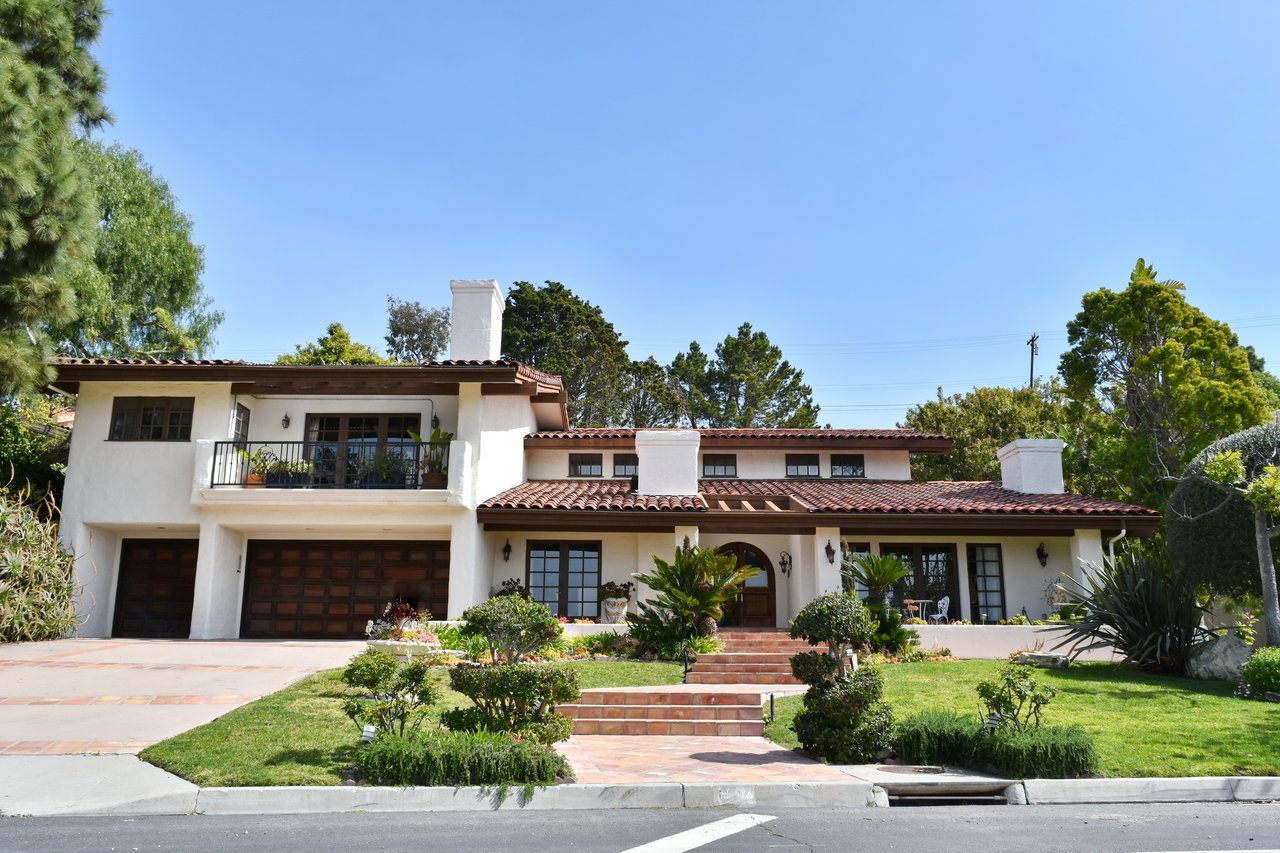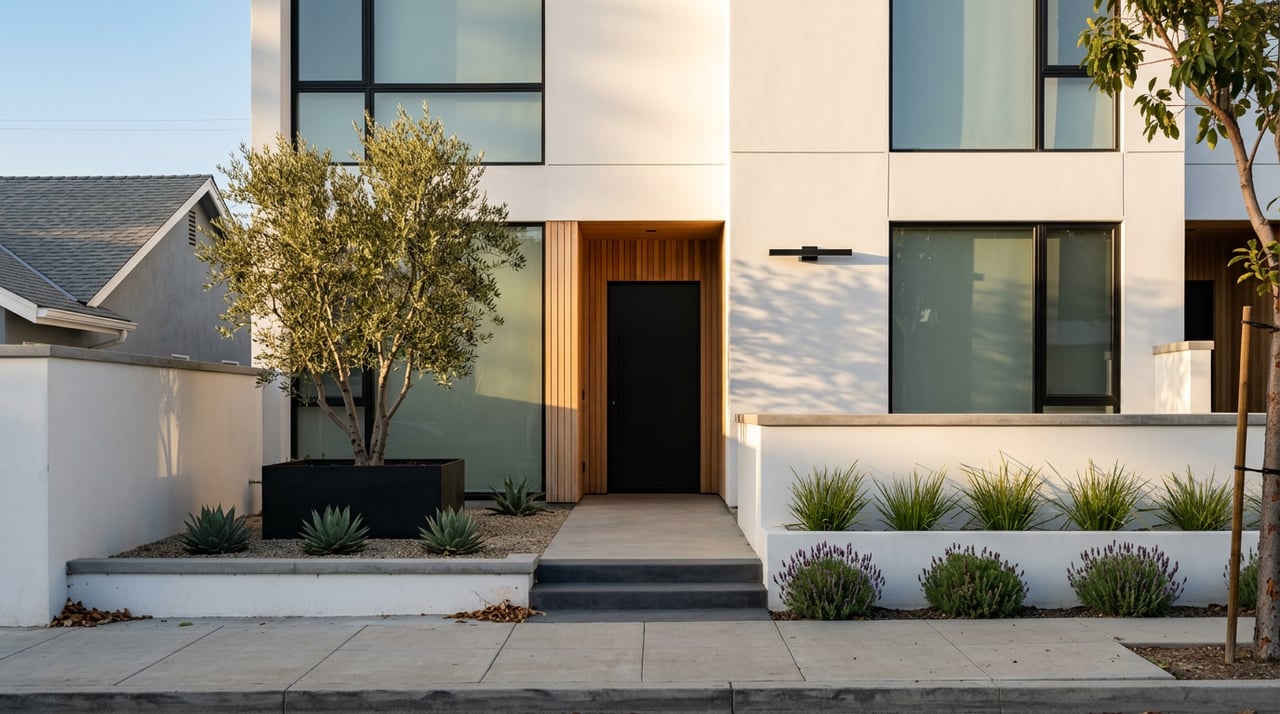
Trying to choose between a Brentwood condo and a single-family house? The right fit can shape your monthly budget, daily routine, and long-term plans. You want clarity on prices, HOA dues, financing rules, and lifestyle tradeoffs before you commit. This guide breaks down the key differences in plain language and gives you a simple decision flow to help you move forward with confidence. Let’s dive in.
Brentwood prices at a glance
Brentwood is a high-value Westside market with big variation by pocket and property type. Prices vary by submarket and street, so think in ranges rather than a single median.
- Condos and townhomes: Many Brentwood condos list roughly from the high six figures into the low seven figures, with upscale buildings and townhomes reaching $2 million or more. A practical working range is about $700,000 to $2.5 million plus, depending on size, building, and exact location.
- Single-family homes: Most Brentwood houses start in the low multimillion range and run well beyond that in luxury areas. A realistic working band is about $2.5 million to $10 million plus for the majority of sales, with estates and new construction higher.
Different data sources use different neighborhood boundaries and time windows, which is why you see variations. Focus on the micro-location you want, then compare active and recent solds on that block or nearby streets.
Monthly costs: condo vs house
Your monthly cost picture includes more than a mortgage. For condos, HOA dues, HO-6 insurance, and potential special assessments matter. For houses, you carry more of the maintenance yourself. A helpful rule of thumb for house maintenance is 1 to 4 percent of the purchase price per year, depending on the home’s age and complexity. You can test different assumptions with an advanced budgeting calculator.
Here is a simple, illustrative comparison using round numbers. Your actual costs will vary based on coverage choices, home age, and tax rate area.
Example: $1.2M condo (illustration)
- Property taxes: Using a 1.2 percent estimate within the common 1.0 to 1.5 percent Los Angeles County range, that is about $14,400 per year, or $1,200 per month. See the county’s overview and rate context at the LA County Treasurer and Tax Collector and this explainer on California’s Prop 13 framework from LegalClarity.
- HOA dues: Many Brentwood buildings fall roughly in the $200 to $800 plus monthly range, depending on amenities and building size. For this example, use $600 per month.
- HO-6 condo insurance: Illustrative $80 per month. Coverage depends on your building’s master policy and your interior finishes. Learn the basics of HO-6 coverage from Vargas Insurance.
- Earthquake insurance: Separate from standard condo policies in California. For illustration, budget $100 per month. The California Earthquake Authority explains coverage options and deductibles.
- Interior upkeep: Even with an HOA, plan a small monthly reserve. For illustration, $100 per month.
Illustrative subtotal before mortgage: about $2,080 per month.
Example: $3.0M single-family house (illustration)
- Property taxes: Using the same 1.2 percent example, about $36,000 per year, or $3,000 per month. See the county’s overview and rate context at the LA County Treasurer and Tax Collector and LegalClarity.
- Homeowner insurance: Illustrative $250 per month. Premiums vary by carrier, location, and coverage.
- Earthquake insurance: Illustrative $300 per month. Visit the California Earthquake Authority for options and typical structures.
- Maintenance reserve: Using 1 percent of purchase price per year as a conservative planning placeholder, about $30,000 per year, or $2,500 per month. Some owners plan for more. The 1 to 4 percent rule of thumb is widely used in budgeting resources such as this advanced calculator.
Illustrative subtotal before mortgage: about $6,050 per month.
These examples highlight the tradeoff: condos shift more costs into predictable monthly dues, while houses give you control and space but require a larger maintenance reserve. Model both paths with your lender and insurance adviser so you see a complete picture.
Financing and approvals for condos
Condo financing depends not only on you, but also on the building. Many lenders use Fannie Mae’s Condo Project Manager to check project eligibility. If a building is non-warrantable, your loan choices can be limited and rates or down payment requirements may change. Ask your lender early about a building’s status. Learn more about project reviews at Fannie Mae’s Condo Project Manager.
If you plan to use FHA or VA financing, confirm the project’s approval path before you write an offer. Some programs allow single-unit approvals, but timelines and requirements vary. This overview on condo loan options is a helpful starting point: FHA/VA condo approvals and single-unit paths.
Bottom line: building eligibility affects your borrowing and the future buyer pool. Verify warrantability and any rental or litigation issues with your lender and your agent before you commit.
HOA health, dues, and rules
HOA dues in Brentwood vary by building age, size, and amenities. Standard buildings can be a few hundred dollars per month, while luxury or highly amenitized properties can be higher. Dues often cover exterior and common-area maintenance, landscaping, common utilities, amenities like pools and gyms, and the HOA’s master insurance policy. Your HO-6 condo policy should fill gaps in the master coverage. Review the master policy type and certificate with your insurer. For a primer on condo insurance and loss assessment coverage, see Vargas Insurance’s overview.
In California, you are entitled to a statutory HOA resale packet under the Davis-Stirling Act. It includes CC&Rs, bylaws, current budget and financials, reserve information, insurance details, meeting minutes, and any notices of litigation or special assessments. Always request and review this packet before you remove contingencies. Here is a helpful breakdown of what to expect in the packet: Davis-Stirling resale disclosures explained.
Healthy reserves matter. Inadequate reserves can lead to one-time special assessments. The Community Associations Institute outlines how reserve studies and funding plans support association health. Read more about reserve planning from CAI.
Finally, study the rules. Rental restrictions, minimum lease terms, pet rules, parking assignments, EV-charger policies, and move-in guidelines can impact your lifestyle and future resale. Ask your agent to obtain recent board minutes and any rule changes.
Insurance and taxes in Los Angeles County
- Condo vs house insurance: Condo owners typically carry HO-6 policies for interior improvements, personal property, and liability, while the HOA’s master policy covers common areas and some building elements. Homeowners carry a standard homeowner policy that covers the dwelling and other structures. Your exact coverage split depends on the HOA’s master policy form. A quick refresher on HO-6 coverage can be found at Vargas Insurance.
- Earthquake coverage: Earthquake insurance is separate in California. Both condo owners and homeowners should consider coverage and deductibles. Get a sense of policy types and options from the California Earthquake Authority.
- Property taxes: Under California’s Prop 13, the base levy is 1 percent of assessed value, with local bonds and assessments added on. In Los Angeles County, the effective combined rate commonly falls near 1.0 to 1.5 percent. See this overview on Prop 13 context from LegalClarity, and verify the exact tax rate and special assessments for the property with the LA County Treasurer and Tax Collector.
Lifestyle tradeoffs in Brentwood
- Walkability and convenience: Many condo buyers value a short stroll to cafes, boutiques, and daily errands. Corridors like Montana Avenue, San Vicente Boulevard, Brentwood Village, and the Brentwood Country Mart anchor the neighborhood’s retail scene. Walkability varies block by block, so tour at different times of day.
- Parking and access: Most condo buildings include assigned or deeded parking. Guest parking, EV-charging policies, and neighborhood permit rules vary. For any condo you consider, confirm the number and location of spaces, guest options, move-in rules, and EV-charger access in the resale packet.
- Privacy and outdoor space: Houses give you a yard, private driveway, and more control over upgrades. Condos offer a lock-and-leave lifestyle with shared amenities and less personal maintenance.
- Schools and planning: Proximity to public schools like Kenter Canyon Elementary and Paul Revere Middle, and to private school options, is a factor for many families. Always confirm current school assignments with the district, since boundaries can change.
- Commute realities: Brentwood is central to Westside job centers with freeway and major corridor access. Traffic can be heavy at peak hours. If commute time matters, do a test drive at your typical hour.
Quick decision flow
- I value predictable monthly costs and on-site amenities → Consider a condo or townhome.
- I want private outdoor space and maximum control over improvements → Consider a single-family house.
- I plan to use FHA or VA financing → Have your lender confirm condo project approval first.
- I travel often and prefer low maintenance → Consider a condo with solid reserves and strong management.
- I want long-term flexibility to add space or ADU, and parking for multiple cars → Consider a house, subject to local zoning.
Buyer checklist for Brentwood
- Confirm your exact micro-location and price band. Remember that medians vary by how a source draws neighborhood lines.
- For condos, request the full HOA resale packet early: CC&Rs, bylaws, two years of budgets and financials, reserve study or summary, insurance certificate, meeting minutes, and any pending assessments or litigation. Use this Davis-Stirling resale guide as a reference.
- Ask your lender to verify condo project eligibility in advance. For context on reviews, see Fannie Mae’s Condo Project Manager.
- Compare carrying costs side by side: HOA dues plus HO-6 plus earthquake plus property tax for the condo versus homeowner insurance plus earthquake plus property tax plus a 1 to 4 percent maintenance reserve for the house. Use an advanced calculator to test scenarios.
- Review reserves and special assessment history. Read up on reserve studies at CAI.
- Verify taxes and special assessments for the parcel with the LA County Treasurer and Tax Collector.
- Match the property to your lifestyle priorities: walkability, parking, yard needs, privacy, and community amenities. Use local visits to places like the Brentwood Country Mart to gauge your day-to-day fit.
What to do next
If you are still debating condo versus house, let’s line up two or three real options in each category and compare the numbers, rules, and lifestyle in person. That side-by-side view brings clarity fast. When you are ready, reach out to Danny Mishevski to map your next steps.
FAQs
How do Brentwood condo HOA dues typically work?
- Dues vary by building and amenities, often covering exterior maintenance, landscaping, common utilities, amenities, management, and part of the master insurance. Always verify coverage, reserves, and any planned assessments in the resale packet.
What is a condo’s “warrantable” status and why does it matter?
- Lenders review condo projects for eligibility. Non-warrantable buildings can limit loan options and terms. Ask your lender to check project status early, and see Fannie Mae’s overview of project reviews for context.
How should I budget for a Brentwood house’s upkeep?
- A common planning rule of thumb is 1 to 4 percent of the purchase price per year for maintenance and replacements, with newer homes at the lower end. Build this into your monthly budget alongside taxes and insurance.
Do I need earthquake insurance in Brentwood?
- Earthquake coverage is separate in California and is worth considering for both condos and houses. Check options, deductibles, and costs through the California Earthquake Authority and your insurer.
What documents should I review before buying a condo?
- Request the full HOA resale packet under the Davis-Stirling Act, including CC&Rs, bylaws, rules, budgets, financials, reserve study or summary, insurance certificate, meeting minutes, and any notices of litigation or special assessments.
How do property taxes work when I buy in Los Angeles County?
- The base levy is 1 percent of assessed value under Prop 13, plus local voter-approved add-ons. The combined rate commonly falls near 1.0 to 1.5 percent. Verify the exact rate and special assessments for the specific parcel with the county.