Imagine waking up to the sound of waves, grabbing a board for an early session, then cruising up PCH for coffee and a canyon hike before lunch. If Malibu is on your radar, you’re likely balancing a dream lifestyle with smart questions about neighborhoods, home types, and daily routines. In this guide, you’ll get a clear feel for Malibu’s coastal pockets and canyon enclaves, typical homes and prices, and the key ownership details to know before you buy. Let’s dive in.
Malibu at a glance
Malibu is a long, low-density city organized along Pacific Coast Highway (PCH), with the ocean on one side and the Santa Monica Mountains on the other. It’s coastal, outdoorsy, and lifestyle-driven. Prices vary widely by proximity to the sand, ocean views, and lot size.
- According to PropertyShark, Malibu’s median sale price was about $4.3 million in Q3 2025. Market medians shift by source and timeframe, but this gives you a dated anchor for recent pricing trends. See Malibu’s market snapshot.
- Through 2025, local reports noted fewer transactions, more active inventory, and a split market where well-priced homes still moved while overstretched listings sat longer. Ultra-luxury properties continued to trade, and mid-market pricing saw more negotiation.
- Expect a wide price-per-square-foot range. Landside and canyon homes often price far below prime oceanfront, where top lots can command well over $1,500 per square foot.
How Malibu is organized
Malibu stretches roughly 21 miles along PCH, with distinct beach, bluff, and canyon areas that shape your everyday experience and budget. The entire city sits within California’s coastal zone, so the Local Coastal Program (LCP) guides development and access. Learn more about Malibu’s context on Wikipedia and the City’s Local Coastal Program.
Neighborhood snapshots
Point Dume and Trancas (western Malibu)
You’ll find a village feel, surf culture, and a mix of older ranch cottages and modern rebuilds. Some pockets offer deeded or private-style beach pathways. Prices range from multi-million inland to very high for bluff-front estates. The Trancas area also offers shopping and essentials close by.
Broad Beach and Zuma
Broad Beach is known for large beachfront homes, many with private stair access to wide sandy stretches. Zuma is a favorite for families and fitness, with lifeguards, volleyball courts, and long walks on the sand. Landside nearby, you’ll see single-family homes and a few gated townhome communities.
Malibu Colony, Carbon Beach, and Paradise Cove
These are among Malibu’s most exclusive beachfront addresses. Malibu Colony and Carbon Beach, often called “Billionaire’s Beach,” have limited inventory and prime ocean frontage. Paradise Cove blends a relaxed, semi-private beach scene with a classic pier and well-known dining spots.
Malibu Cove Colony, Latigo, and nearby enclaves
Tucked-in beach pockets and bluff-front parcels line this part of the coast. Lots can be narrow, many homes are rebuilt moderns, and some have direct stair access to the sand. Public shoreline rights and local access rules are part of the ownership picture on any beach parcel.
Landside and canyon enclaves
Canyon neighborhoods like Malibu Park, Bonsall Canyon, Corral Canyon, Winding Way, Serra Retreat, Latigo Canyon, Big Rock Mesa, and Monte Nido offer privacy, larger lots, and a variety of styles from ranch and Spanish to mid-century and contemporary. You trade direct sand access for acreage, trails, and relative value on a per-acre basis.
Mobile-home communities
Paradise Cove and Point Dume Club include long-standing mobile-home parks with values that vary widely based on size, condition, and proximity to the sand or views. Ownership structures can differ from traditional fee-simple homes, so review park rules, space leases, and transfer fees carefully.
What homes look like
- Beachfront and bluff-front estates. These range from high-end to ultra-luxury, often with terraces, seawalls or riprap in some cases, and carefully documented permitting. Double-digit million-dollar listings appear here.
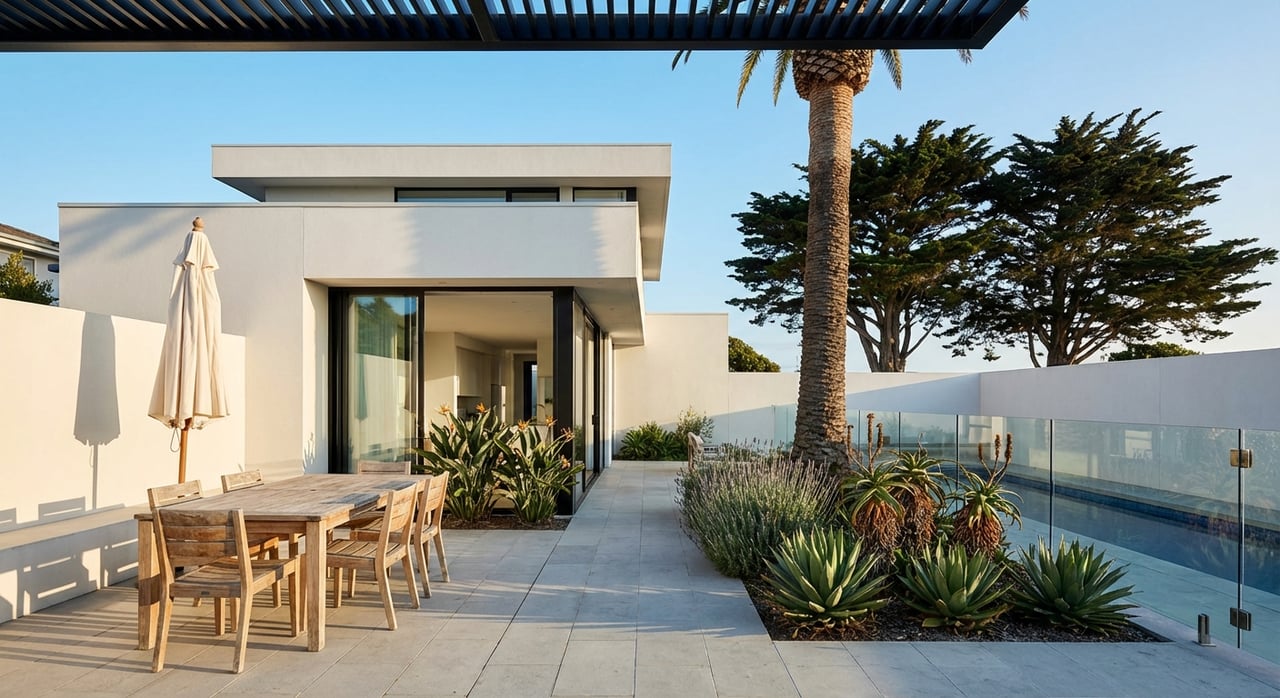
- Ocean-view moderns and architectural rebuilds. Many older cottages have been replaced with glass-forward contemporary homes seeking panoramic views.
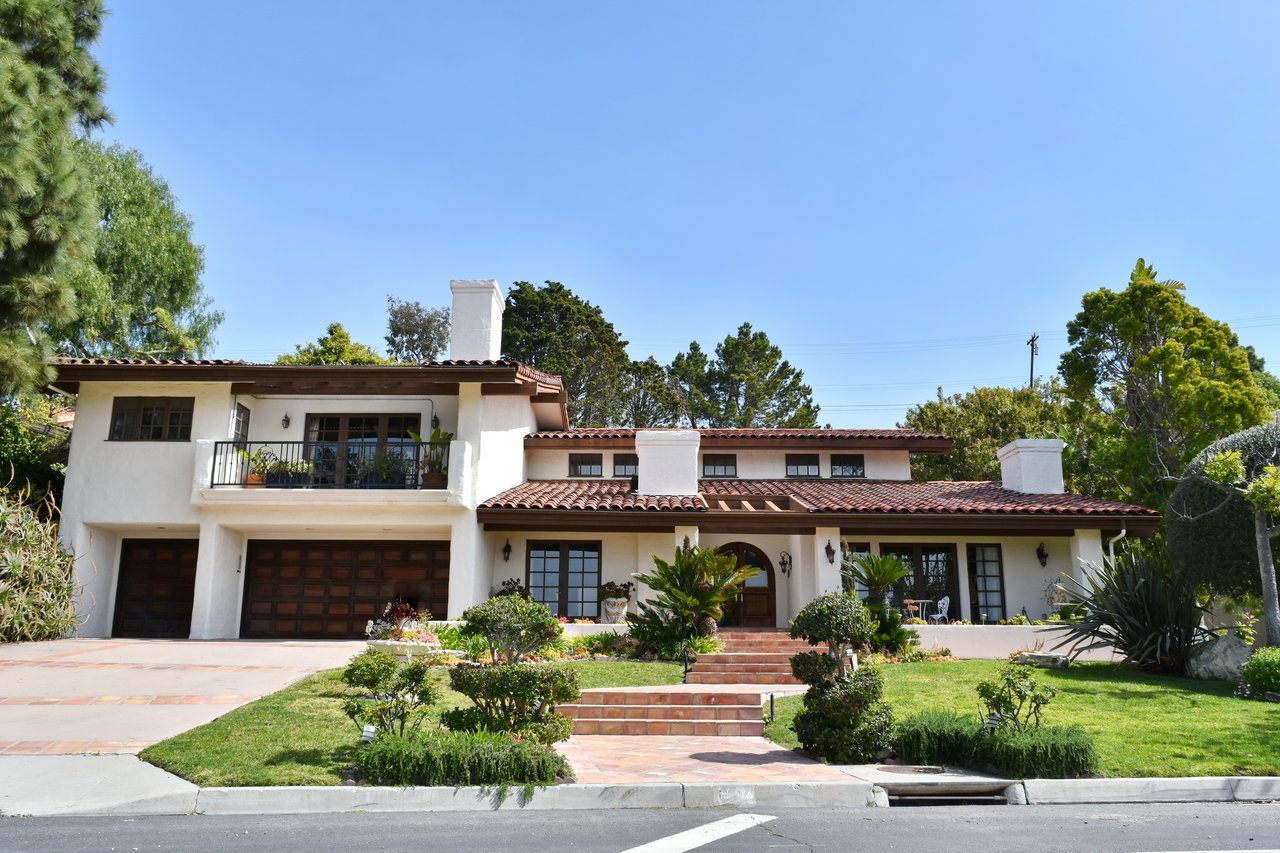
- Canyon and landside estates. Expect Spanish/Mediterranean, ranch, mid-century, and modern styles on larger lots. Equestrian facilities appear in some pockets near Malibu Park and Serra Retreat.
- Townhomes and condos. Limited compared to single-family homes. You’ll find a few guard-gated or clustered communities near Point Dume and Trancas.
If you plan to build or remodel, most projects in Malibu need to follow the LCP and often require a Coastal Development Permit (CDP). Septic systems, view corridors, bluff stability, and sensitive coastal resources are common review topics. Start with the City’s Local Coastal Program for process basics.
Everyday life in Malibu
Beaches and surf
Surf culture runs deep here. Surfrider Beach is an iconic point break, known worldwide for longboarding and Malibu’s surf history. If you’re curious about the lineup and etiquette, read this overview of how to surf Malibu’s Surfrider Beach. Zuma’s broad sands draw families and swimmers, while Point Dume and County Line see a range of skill levels and conditions.
Trails and open space
Malibu is a gateway to the Santa Monica Mountains. Popular hikes like Solstice Canyon mix shaded ravines, historic ruins, and ocean views. Explore the National Park Service’s page for Solstice Canyon and plan weekends around nearby trailheads on the Backbone Trail.
Dining and local retail
Malibu’s food scene leans coastal and casual with moments of refinement. The Malibu Pier is a landmark for oceanfront dining and people-watching. Paradise Cove offers a relaxed beachside vibe. You’ll also find clustered retail near Point Dume and Trancas for groceries, coffee, and everyday errands. For a quick sense of local highlights, browse Malibu attractions.
Getting around
Most trips are short hops along PCH between beaches, trailheads, and village-style shopping. Commute times to Santa Monica or other Westside hubs vary a lot by time of day. On sunny weekends, beach lots fill early, and locals plan ahead for parking and crowds.
Ownership essentials to know
Coastal permits and beach access
All of Malibu is in the coastal zone. The City’s LCP guides development, CDP requirements, and public access expectations. Rules around shoreline armoring, private obstructions, and view corridors are strict. Start with the City’s Local Coastal Program and confirm current rules with the Planning Department.
Sea level rise and bluff erosion
Water levels, seasonal tides, and storm patterns can change beach width and affect structures near the shore. Shoreline armoring can be controversial and highly regulated. For context, review California’s sea-level rise resources.
Wildfire risk and insurance
Malibu has a significant wildfire history, including the 2018 Woolsey Fire. Regional fire events in 2025 kept risk and insurance top of mind. Read the Los Angeles Times coverage of the Woolsey Fire’s impact. In high-risk zones, many owners use the California FAIR Plan or combine layers of coverage. The Department of Insurance outlines evolving reforms and consumer guidance in its Sustainable Insurance Strategy. Expect premiums and underwriting to be key diligence items.
Flood zones and coastal hazards
Many beachfront and bluff-base parcels fall within FEMA coastal high-hazard areas, where flood insurance may be required by lenders. Property reports often flag these designations. For an example of how flood zones appear in parcel data, see this PropertyShark parcel page.
Earthquakes and slope stability
The Santa Monica Mountains include mapped faults and slide-prone slopes. Geotechnical reports are common for bluff or steep-slope projects. Learn more about regional faults via the USGS fault report.
Septic and infrastructure
Many canyon and landside homes use onsite wastewater systems (OWTS). New systems, replacements, or major remodels often trigger septic reviews and CDP steps. Start with the City’s OWTS process overview.
Property taxes and closing costs
California’s Proposition 13 sets a base 1 percent property tax on assessed value with limited annual increases and reassessment at change of ownership. Local bonds and assessments vary by parcel. Review the Board of Equalization’s Prop 13 basics when budgeting.
What to check before you buy
Use this quick checklist during due diligence:
- Ask for the most recent property tax bill and any supplemental or parcel assessments.
- Request current insurance quotes, including any FAIR Plan references, and confirm wildfire risk considerations with your insurer.
- Review FEMA flood maps and any bluff-erosion or shoreline history relevant to the parcel.
- Confirm septic/OWTS details, service records, and permitting history. See the City’s OWTS guidance.
- Verify recorded beach rights, easements, and the difference between deeded access and public shoreline access.
- If you plan to remodel or add an ADU, confirm CDP requirements under the Local Coastal Program and align with current state ADU rules.
- For insurance context, review the Department of Insurance’s consumer resources and speak directly with your carrier.
Is Malibu right for you?
If you value ocean access, outdoor living, and a slower coastal rhythm, Malibu delivers. You can surf at sunrise, hike after work, and still be within reach of Westside hubs. At the same time, you should be comfortable with coastal permitting, variable commutes, and the practicalities of owning near the ocean or in the canyons. With the right guidance, you can find the neighborhood that fits your pace and your plans.
Ready to explore Malibu homes and compare coastal and canyon options side-by-side? Connect with Danny Mishevski for buyer or seller representation, leasing support, or a data-backed valuation.
FAQs
What do Malibu homes typically cost in 2026?
- PropertyShark reported a $4.3 million median sale price in Q3 2025. Actual values vary widely by location, ocean proximity, and lot size. See the latest Malibu market snapshot.
Which Malibu neighborhoods should I consider first?
- For beach life, look at Broad Beach, Malibu Colony, Carbon Beach, or Point Dume. For space and privacy, explore Malibu Park, Serra Retreat, and nearby canyons like Corral or Latigo.
Do I need special permits to remodel or build in Malibu?
- Most projects fall under the City’s Local Coastal Program and may require a Coastal Development Permit. Start with the LCP overview and confirm current rules with the Planning Department.
How does wildfire risk affect insurance in Malibu?
- Some areas rely on the California FAIR Plan or layered coverage. Expect stricter underwriting and higher premiums in high-risk zones. Review the Department of Insurance’s guidance and discuss options with your carrier.
Are Malibu beaches private if I buy on the sand?
- California protects public access below the mean high-tide line. Deeded access paths and private gates may exist, but shoreline rights and coastal rules still apply. Review the City’s Local Coastal Program.
Will I need flood insurance on a beachfront home?
- Many beachfront and bluff-base parcels fall within FEMA coastal high-hazard zones, where lenders may require flood insurance. Parcel reports often flag these, such as this example page.