What does a normal Tuesday look like when your front yard is the Pacific and your backyard is a historic canal? If you’re curious about calling Venice home, you’re likely weighing coastal perks with real-world details like housing, parking, and crowds. This guide walks you through daily life on the Westside’s most iconic shoreline, from micro-neighborhood vibes to mobility, recreation, services, and practical tips. Let’s dive in.
Venice snapshot and vibe
Venice blends a creative, eclectic identity with upscale retail and tech energy. You’ll find the tourist-heavy Boardwalk and Ocean Front Walk, a polished dining-and-boutique scene on Abbot Kinney, and quieter residential pockets around the canals and inland streets. The area was founded in 1905 by Abbot Kinney, and that history still shapes the canals, street grid, and architecture you see today.
Expect a dense, walkable neighborhood where you can run most errands within a short radius. Weekends and summer bring heavy visitor traffic along the beach, while residential blocks stay calmer, especially away from major corridors.
Micro-neighborhoods to know
Boardwalk and Ocean Front Walk
This is the lively, tourist-focused strip with street performers, vendors, and nonstop people-watching. It’s vibrant and energetic. Daily life here means easy beach access and a steady buzz. If you want quieter evenings, look one or two blocks inland.
Abbot Kinney corridor
Abbot Kinney Boulevard is Venice’s dining and shopping hub with boutiques, cafes, and chef-driven restaurants. It’s walkable and social, with steady foot traffic. Living on nearby streets gives you quick access to essentials and an active evening scene.
Venice Canals district
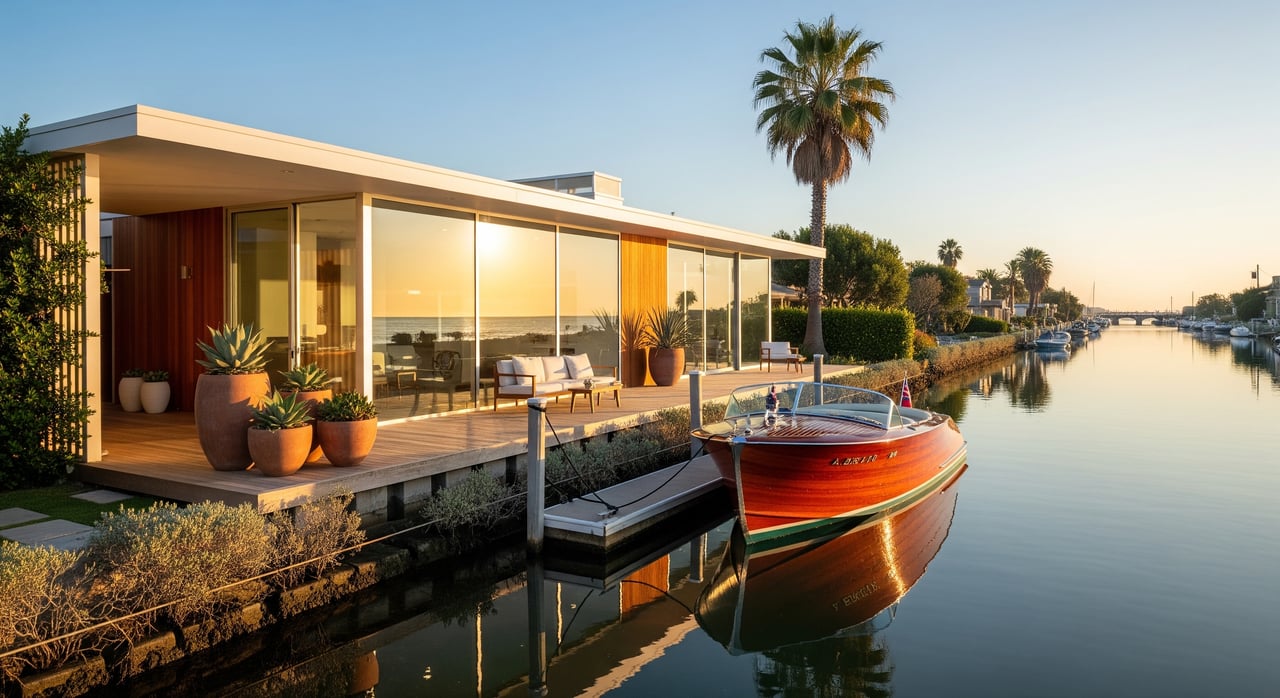
The restored canals create one of LA’s most scenic residential pockets. You get pedestrian paths, arched bridges, and a calmer rhythm that still keeps you close to the beach and Abbot Kinney. Homes range from historic cottages to modern multi-level builds.
North Venice and Oakwood
These inland blocks mix historic cottages, remodels, and smaller multi-family buildings. You’ll see a blend of long-term residents and newer renters. It’s a practical base with a local feel and access to services on Venice Boulevard and Lincoln.
West of Lincoln to Marina
West of Lincoln toward Marina del Rey skews residential with straightforward beach access. You’re close to boating and the marina’s water activities while avoiding the densest Boardwalk crowds.
Housing and costs
Common home types
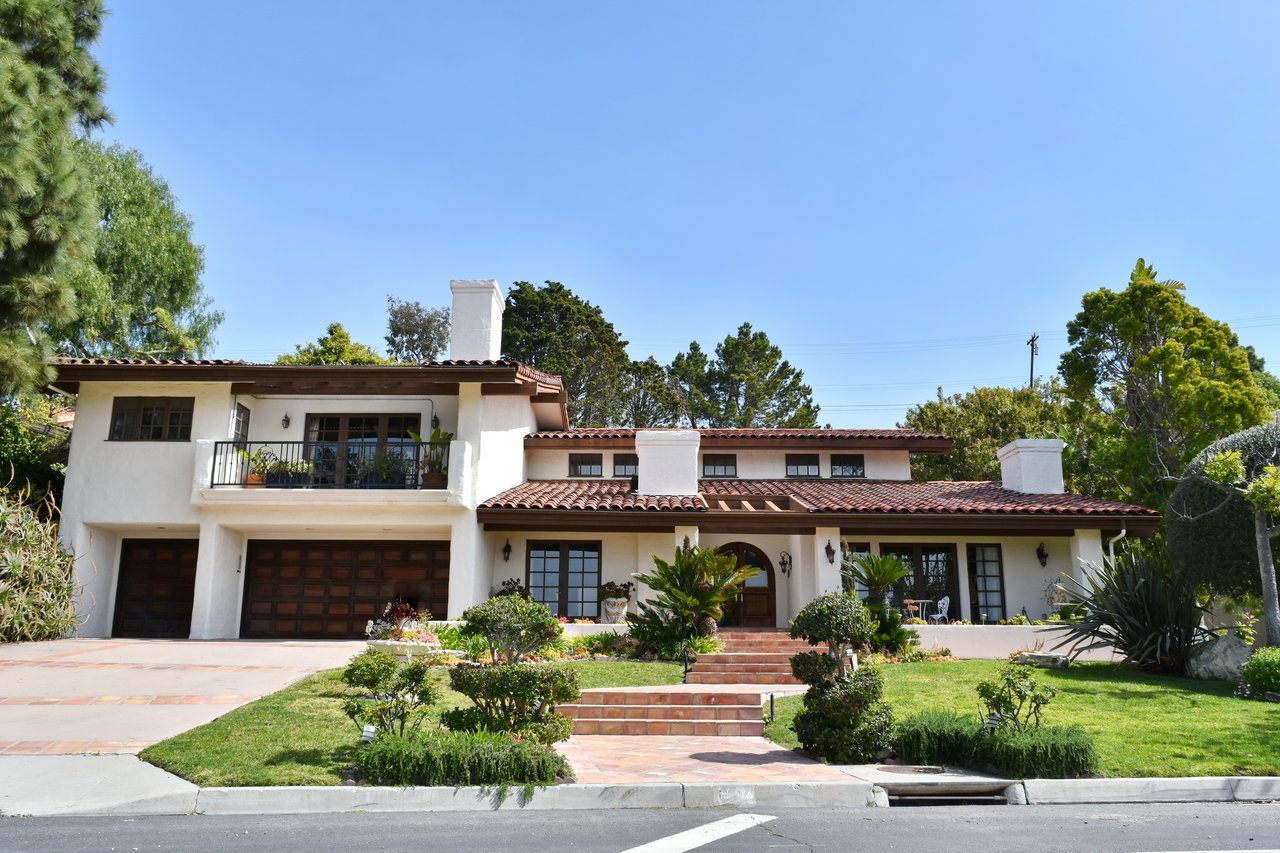
- Historic bungalows and cottages on smaller lots, many remodeled.
- Contemporary multi-level homes and high-end canal houses.
- Duplexes, triplexes, small condo buildings, and apartments inland.
- Mixed-use residences above shops along Abbot Kinney, Venice Boulevard, and Washington Boulevard.
Price and rent context
Venice ranks among Los Angeles’ more expensive neighborhoods. Single-family homes often reach the high seven-figure range and higher in prime pockets. Condos and small multi-family units can be more attainable than single-family homes but still price above inland Westside areas. Rents are high near the beach and Abbot Kinney, with relatively lower options in older or more inland buildings.
Market drivers
Demand is driven by coastal proximity, walkability, dining and retail density, and the broader “Silicon Beach” scene. Limited land and coastal development rules constrain new supply, which helps sustain higher prices.
Getting around
Walking and biking
Venice is highly walkable in central areas, especially around the Boardwalk, Abbot Kinney, and nearby residential blocks. The beachfront South Bay Bicycle Trail connects north to Santa Monica and south toward Marina del Rey and Playa del Rey. Biking is a daily staple for many residents.
Transit and driving
Bus routes link Venice to Santa Monica, Culver City, and Metro rail connections with transfers. Driving is straightforward but congestion and parking are common near the beach and retail corridors. Expect permit parking and street-cleaning rules on many residential streets.
Beach, canals, and outdoors
Beach access and paths
Venice Beach is a year-round draw for surfing, sun, and fitness culture. Ocean Front Walk is the center of activity, from Muscle Beach to the skate park. You’ll find multiple public access points and a constant hum of visitors, especially in summer and on weekends.
Parks and facilities
- Venice Skate Park is a community landmark with steady local use.
- Washington Square Park offers green space for picnics and downtime.
- Mother’s Beach in nearby Marina del Rey provides calm water and easy water recreation access.
Environmental notes
Low-lying areas and the canals sit in a coastal zone where sea-level planning and flooding concerns are part of long-term city and state efforts. The California Coastal Commission and local initiatives shape construction and public access in these areas.
Dining, shops, and culture
Dining and nightlife
You’ll find a dense mix of cafes, bakeries, casual eateries, and refined restaurants concentrated on Abbot Kinney and nearby blocks. Nightlife includes neighborhood bars and craft cocktail spots. Weekends are busiest, with a lively but manageable scene away from the Boardwalk.
Shopping and markets
Abbot Kinney’s boutiques and design shops offer a curated retail experience. Independent markets and specialty food shops serve daily needs, and a regular farmers market adds fresh produce and prepared foods to your weekly routine.
Arts and events
Venice has a strong arts heritage, visible in murals, galleries, and the Venice Art Walls. Street performance remains part of the neighborhood texture. Community groups like the Venice Neighborhood Council and Venice Chamber of Commerce help organize events and foster dialogue on local issues.
Practical living tips
Services and errands
For daily needs, you’ll find a mix of independent markets, chain groceries, and specialty food stores. Fitness options range from boutique studios to beach workouts and yoga. Health care access includes the Venice Family Clinic, with hospitals a short drive away in Santa Monica and Culver City.
Safety and awareness
Property crime like theft and vehicle break-ins can occur, particularly near tourist paths. Many residents use simple precautions: secure bikes, avoid leaving items in cars, and get familiar with parking rules. The LAPD Pacific Division serves Venice, and neighborhood watch efforts are active in some areas.
Rules and permits
Venice falls within the coastal zone, so renovations and new builds may require additional review. Short-term rentals are regulated within Los Angeles, and enforcement is an active topic of community discussion. If you plan to remodel or invest, review local zoning and coastal guidelines early in your process.
Schools and learning
Venice is served by LAUSD, with Venice High School as a primary local option. Attendance boundaries and program availability can change, and many families consider magnet or charter pathways. Verify current school maps and enrollment details directly with LAUSD.
Pets and parks
Leash rules apply at Venice Beach and most parks, with specific off-leash allowances varying by location in the county. Check current beach and park policies before you go, and look for nearby dog-friendly areas outside the immediate Boardwalk zone.
Apartment and home checklist
- Prioritize blocks based on noise tolerance and visitor traffic.
- Confirm street parking, permit needs, and bike storage options.
- Assess flood and coastal considerations for canal and low-lying homes.
- Verify renovation feasibility under coastal and city rules if you plan upgrades.
- Map your daily routine by foot or bike to key errands and transit stops.
Which Venice fits you?
- You want beach energy with a short walk: look near Ocean Front Walk while targeting side streets for more quiet at night.
- You want dining at your doorstep: choose streets around Abbot Kinney or slightly east, where you can stroll to shops and restaurants.
- You want calm, scenic living: explore the canals and residential pockets north or east of the busiest corridors.
- You want a balanced inland base: consider North Venice or Oakwood for a mix of homes, services, and access across the Westside.
Moving with confidence
Venice offers a rare blend of coastline, culture, and convenience. The key is matching your lifestyle with the right block and housing type, then planning for the practical details that come with living in a high-demand coastal neighborhood. If you are buying, selling, or leasing on the Westside, you deserve guidance that balances lifestyle and data, along with a clear plan for pricing, timing, and negotiation.
Ready to explore options or talk strategy for your next move in Venice? Reach out to Danny Mishevski for client-first advisory, local market insight, and polished marketing support.
FAQs
Is Venice, CA walkable for daily errands?
- Many central blocks are highly walkable, especially near Abbot Kinney and the Boardwalk, with grocery options, cafes, and services within a short distance.
How crowded is Venice Beach throughout the year?
- Visitor traffic is steady year-round and peaks on summer days and weekends, with reduced intensity one or two blocks inland from the Boardwalk.
What housing types are most common in Venice?
- You’ll find historic bungalows and cottages, modern multi-level homes, canal residences, and a range of duplexes, small condos, and apartments inland.
How easy is it to bike around Venice?
- Very convenient, with the beachfront South Bay Bicycle Trail for recreation and lanes on select streets that support local trips and commuting.
What should I know about building or remodeling in Venice?
- Parts of Venice are in the coastal zone, so renovations and new construction can require additional reviews and adherence to public access and environmental rules.
How are schools organized in the area?
- Venice is served by LAUSD, with boundaries and program options that can change; confirm current attendance maps and enrollment details directly with LAUSD.