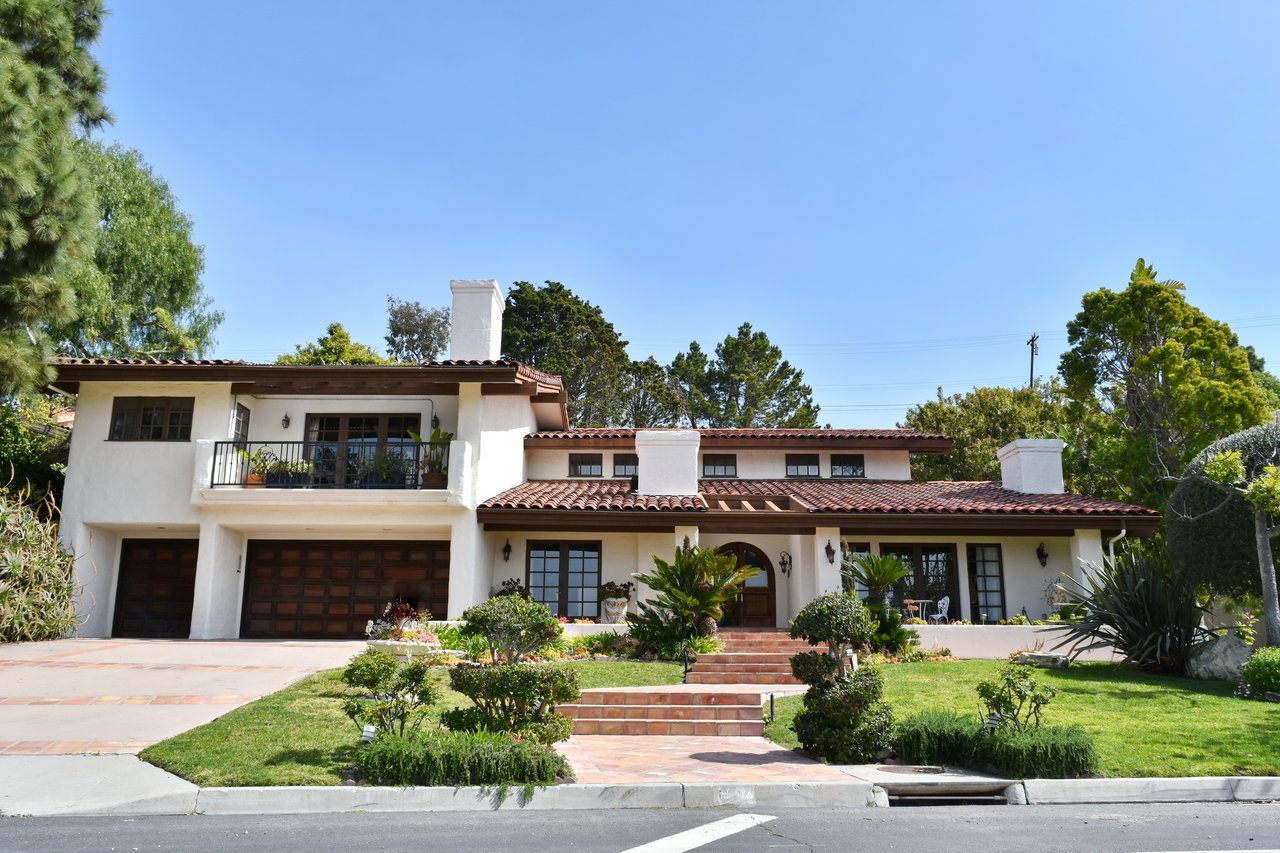
Shopping for a Malibu home and realizing the loan size will be bigger than a standard mortgage? You are not alone. With local prices, many buyers explore jumbo financing to make the numbers work. In this guide, you will learn what makes a loan “jumbo,” what lenders expect, Malibu-specific issues that can affect approval, and how to prepare a strong pre-approval. Let’s dive in.
What is a jumbo loan
A jumbo loan is a residential mortgage that exceeds the conforming loan limit set by the Federal Housing Finance Agency. If the loan amount you need to buy a Malibu home is higher than the current limit, you are looking at jumbo financing. You can confirm the limit by checking the current FHFA conforming loan limit and comparing it to your target loan amount.
Because Malibu price points often surpass conforming limits, it is common to use jumbo financing or cash. Jumbo loans are not purchased by Fannie Mae or Freddie Mac, so lenders apply stricter standards and more detailed documentation.
How jumbo lenders qualify you
Jumbo underwriting is more conservative than standard conforming loans. Here is what lenders typically review.
Credit profile
Lenders usually look for higher-than-average credit for the best pricing. Top rates often go to borrowers in the mid-700s and above. Buyers with lower scores can sometimes qualify but may face higher rates and tighter conditions.
Debt-to-income ratio
Many lenders prefer lower DTIs for jumbo loans, often around 43 percent or lower. Strong compensating factors can help, such as large reserves, lower loan-to-value, or high stable income. If you have bonus or investment income, expect to document it.
Down payment and LTV
Down payment expectations are higher for jumbos. For primary residences, many lenders expect 20 to 30 percent down. Second homes and investment properties often require larger down payments and can carry tighter limits.
Cash reserves
Underwriters commonly ask for significant reserves after closing. A frequent pattern in luxury markets is 6 to 12 months of principal, interest, taxes, and insurance on hand, with more for riskier profiles or higher LTVs. Exact requirements vary by lender and scenario.
Documentation and income
Full documentation is standard. Expect to provide recent tax returns, W-2s, pay stubs, bank and investment statements, and clear paper trails for large deposits or gifts. Self-employed buyers often provide two years of business returns and profit-and-loss statements. Non-QM or bank-statement programs can help if your income is complex, but they usually cost more.
Appraisal and valuation
Unique coastal homes can be hard to compare, so appraisers may need extra time. Lenders may order a field review or a second appraisal for high-value or uncommon properties. Be ready for longer timelines if your home is one of a kind.
Rates, APR, and fees
Jumbo rates can be higher than conforming because there is no agency backing, though the spread changes with the market. Always compare APRs and total costs, not just headline rates. The CFPB’s explanation of APR vs interest rate is a helpful reference as you review quotes.
Malibu factors that affect financing
Malibu’s coastline and terrain add layers to underwriting. Planning for them early helps you stay on track.
Coastal appraisals take time
Beachfront and bluff-top properties can have limited comparable sales. This can stretch valuation timelines and trigger additional valuation work. Build extra time into your contract and appraisal contingency.
Insurance availability and costs
Lenders require homeowner’s insurance that meets their standards. In Malibu, wildfire and coastal risks can influence coverage and premiums. The California Department of Insurance offers consumer updates on wildfire insurance issues and resources. If a home lies in a FEMA Special Flood Hazard Area, flood insurance will be required; you can check maps at the FEMA Flood Map Service Center. Earthquake coverage is usually optional, but some lenders may ask you to confirm your decision.
Title, easements, and HOAs
Coastal properties may include recorded easements for access, bluff or setback restrictions, or multi-parcel configurations. Title companies and underwriters will review these and may require endorsements or clearing items. If there is an HOA, dues and assessments factor into your qualifying ratios.
Structural and environmental items
Coastal erosion, bluff stability, drainage, and wildfire mitigation can affect insurability and valuation. Pre-sale inspections and engineering reports are common for hillside or bluff properties. Addressing open issues early keeps your file moving.
Popular jumbo financing paths
Different products fit different profiles. Ask for side-by-side loan estimates so you can compare APR, fees, and terms.
Conventional jumbo mortgage
The standard choice for well-qualified buyers who exceed conforming limits. It uses full documentation, competitive pricing for strong profiles, and lender-specific LTV caps.
Portfolio loans
Bank-held mortgages that follow a bank’s own rules. These can offer flexibility for unique properties, complex income, or tailored terms, with pricing dependent on the relationship and risk.
Non-QM and bank-statement loans
Useful for self-employed buyers or those with nontraditional income. Expect higher rates and fees, larger reserves, and careful asset documentation.
Bridge loans and HELOCs
Short-term tools that help you buy before you sell or tap equity from another property. Costs and timelines vary, so set a clear exit plan.
Foreign national jumbo programs
Some lenders offer programs for non-U.S. citizens. These usually require larger down payments, strong assets, and higher reserves.
Private banking and SBLOCs
High-net-worth buyers sometimes use private bank mortgages or securities-backed lines of credit to avoid liquidating investments. Discuss margin risk and bank policies before proceeding.
For a plain-English overview of mortgage types, the CFPB’s loan options guide is a useful starting point.
Your Malibu jumbo pre-approval checklist
Getting organized early strengthens your offer and reduces surprises.
Documents to gather
- Last 2 years of personal tax returns, plus business returns if self-employed
- W-2s and recent pay stubs
- 3 to 12 months of bank statements for all liquid accounts
- Investment and retirement account statements
- Documentation for large deposits, gifts, or sale proceeds
- Recent mortgage statements for any properties you own
- Photo ID and Social Security number, or passport for non-U.S. citizens
Smart questions to ask lenders
- Do you routinely underwrite and close jumbo loans in Malibu or Los Angeles County?
- What credit score, DTI, down payment, and reserve levels fit my profile?
- What documentation do you require for self-employed or variable income?
- What is the expected timeline from application to clear-to-close on a Malibu property?
- Do you use local appraisers who understand coastal comps?
- What insurance will you require for this property, including fire, flood, and earthquake?
- Do you have portfolio or non-QM options if my income is nontraditional?
- Can you provide a loan estimate that shows rate, APR, and all fees for my target loan amount and occupancy type?
Timeline and offer strategy
Jumbo underwriting and coastal appraisals can take longer than standard loans. Build in extra time for appraisal, insurance quotes, and any title or engineering items. A true pre-approval, where a lender reviews your documents in advance, carries more weight than a quick pre-qualification. In competitive situations, this can help you negotiate stronger terms and tighter contingencies.
Next steps
- Verify the loan size you will need and compare it to the current FHFA conforming limit for Los Angeles County.
- Request pre-approval with lenders experienced in Malibu jumbo loans and coastal underwriting.
- Gather the documents on the checklist and line up preliminary insurance quotes.
- Ask for side-by-side loan estimates showing rate, APR, and fees for your expected loan amount and occupancy type.
- Confirm your lender’s approach to Malibu appraisals, wildfire disclosures, and flood or earthquake considerations.
If you want local perspective as you plan your purchase, connect with a Westside advisor who understands Malibu’s nuances and jumbo financing timelines. Reach out to Danny Mishevski to talk through options and next steps.
FAQs
What makes a loan “jumbo” in Malibu?
- If the amount you need exceeds the current conforming loan limit set by the FHFA, it is a jumbo loan. Check the FHFA limit and compare it to your target loan size.
Do jumbo loans always require bigger down payments?
- Generally yes. Many lenders expect 20 to 30 percent down for primary homes, and more for second homes or investments, but requirements vary.
How much cash in reserves will I need?
- It depends on your profile and lender. A common range is 6 to 12 months of PITI, with higher reserve needs for riskier scenarios or higher LTVs.
Are jumbo interest rates always higher than conforming?
- Historically they can be higher, but the gap changes with market conditions. Compare APRs and total costs using resources like the CFPB’s APR guide.
Can I qualify for a jumbo loan if I am self-employed or a foreign national?
- Yes. Lenders offer programs for self-employed and foreign national buyers, often with larger down payments, more reserves, and extra documentation.
Will wildfire or flood insurance issues block my financing?
- Not automatically, but insurance availability and premiums affect your monthly costs and lender approval. Check wildfire resources from the California Department of Insurance and flood maps at FEMA.
How long does a Malibu jumbo loan take to close?
- Timelines vary. Unique coastal appraisals and insurance reviews can extend processing, so plan for extra time and work with a lender experienced in Malibu files.